
There are thousands of plants that produce essential oils. Since ancient times, people have taken advantage of the antimicrobial properties of these volatile liquids. Nowadays, there are over 150 types of essential oils available, many of which are scientifically-proven to fight fungal and bacterial infections.
Different microorganisms show different degrees of susceptibility to each type of essential oil. Overall, cinnamon oil has shown to be an effective antibacterial and strong antifungal against a broad range of pathogens through inhalation, topical and oral application. Lavender, thyme, peppermint, cinnamon, clove, sage, tea tree and eucalyptus oils are also some of the most researched oils for their antimicrobial activity.
This guide will take you through the essential oils with strong antibacterial and antifungal properties. I’ve alos included links to the scientific research for each oil so you can check out the details for yourself.
Antibacterial and Antifungal Essential Oils
Essential oils are made by more than 30,000 plants. But did you know they use them as part of their chemical defense system? They’re actually aromatic liquids made up of a mix of organic compounds that have the ability to fight against pathogens.
The most active microbe-fighting of these components are called monoterpene alcohols, aldehydes and phenols. This means that any essential oil that has a high amount of these should have strong antimicrobial properties.
Overall, research has shown that essential oils high in aldehydes and phenols have the greatest antibacterial activity of any essential oils. It’s no surprise then, that medicinal plants (and their essential oils) are widely used in traditional and alternative medicine.
As humans we can be exposed to the amazing antibacterial and antifungal properties of essential oils through inhalation (breathing in), topical (skin) application and oral (via mouth) administration.
Several studies have shown how essential oils can either kill or stop the growth of bacteria, which confirms their antibacterial quality. There’s not as much information about their antifungal properties yet, but there’s enough to show that essential oils do effectively act against a range of nasty fungi.
Scientifically Proven Antibacterial and Antifungal Essential Oils
There are over 90 commercial essential oils used in aromatherapy for the treatment of dermatological (skin) infections caused mainly by bacteria and some fungal related diseases. Breathing in essential oils has also proven to be effective in treating respiratory tract pathogens.
Different microorganisms show different degrees of susceptibility to each type of essential oil. However, cinnamon oil, and its major ingredient cinnamaldehyde, is a strong antibacterial and antifungal against a whole range of pathogens through various applications.
Essential oils from citrus fruits are among the most effective in fighting bacteria. Together with rose oil, they are also great antifungals. In fact, wolves and other animals rub their bodies with the peels, pulp and juice of limes as a defense against disease-causing microorganisms like bacteria and fungi. Birds protect their nests with french lavender, lemon balm and curry plants, which have high amounts of monoterpenes.
Here are some of the most researched antibacterial and antifungal essential oils:
Frankincense oil
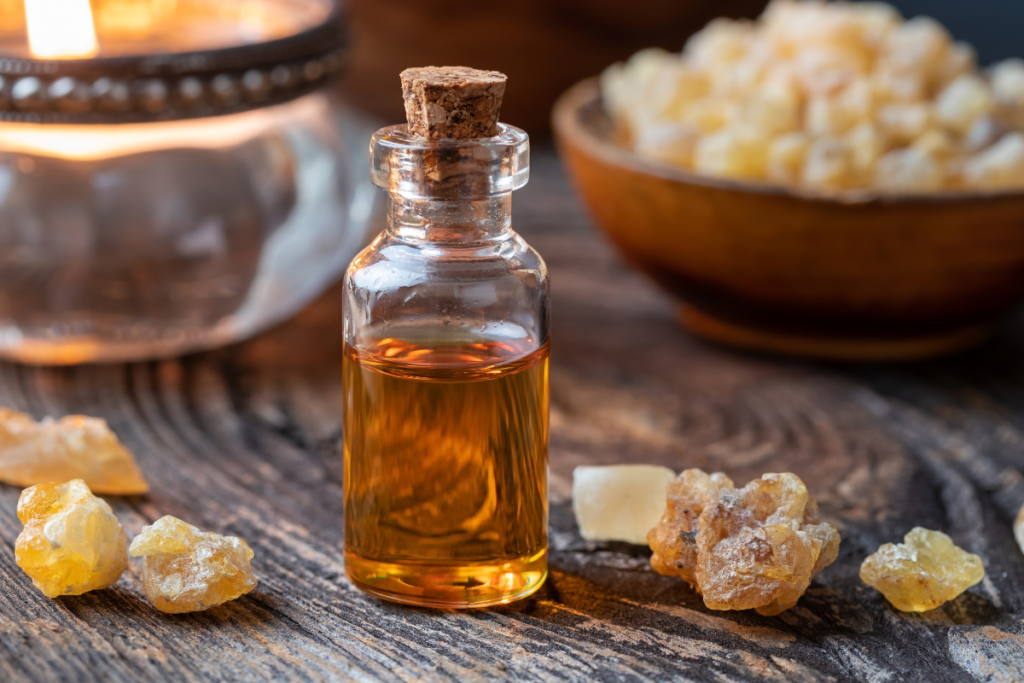
Frankincense essential oil, extracted from a tree native to Africa and Arabian regions, is as popular in religious practices as it is in aromatherapy and natural health.
Rich in monoterpenes and sesquiterpenes, it can be inhaled or diffused in a vaporizer to relieve symptoms of respiratory disorders, or applied to the skin to fight bacterial and fungal infections.
It’s generally safe with no reported severe side effects, but it’s typically diluted with a carrier oil, and a sensitive test is always recommended before applying any oil. It should also be avoided by women who are pregnant or breastfeeding.
Bergamot oil
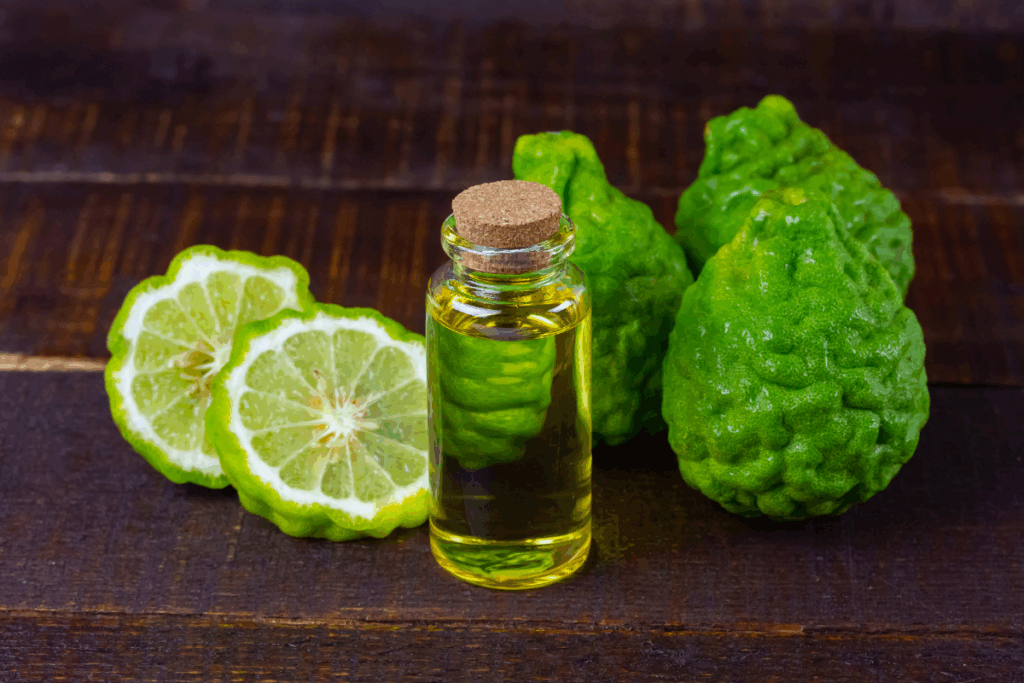
Named after an Italian city, Bergamo, where it was originally sold, bergamot essential oil was used in local folk medicine to cool fevers and eliminate intestinal worms.
It’s a powerful antibacterial agent that can be used in a bath to help prevent the spread of bacterial infections from the urethra into the bladder.
Applied topically on an affected area, it prevents and speeds up the healing process of various bacterial and fungal infections.
According to research, bergamot can induce photosensitivity, so sun exposure should be avoided in the 24 hours after application. A skin patch test should also be conducted before use. Avoid using it during pregnancy or while breastfeeding, and keep away from children.
Coriander oil
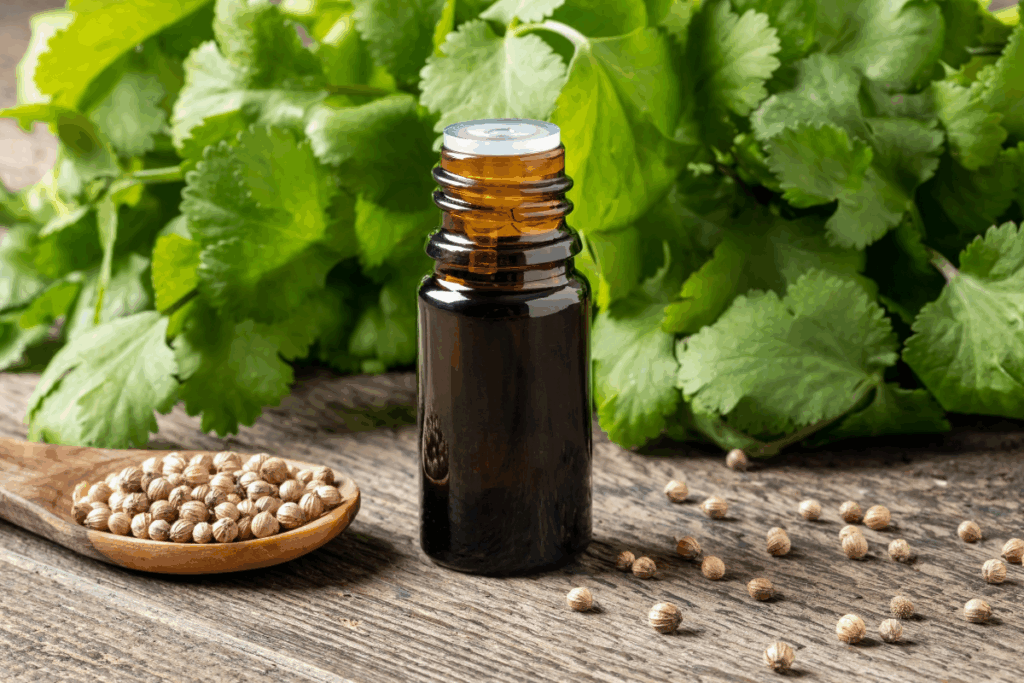
Extracted from the coriander seeds, coriander essential oil is one of the earliest spices in the world, used for culinary and medicinal purposes since Babylonian times.
Among its many health benefits, it acts as a strong antibacterial that prevents the growth of odor-causing bacteria in the mouth and sweat glands. Mixed with water, it serves as a mouthwash.
Even though it is generally non-irritating and non-toxic, it’s best not to swallow it. Mix with a carrier oil to make a natural deodorant, but not without a previous sensitivity test. And avoid it if pregnant.
Eucalyptus oil

Extracted from the leaves of a tree native to Australia, eucalyptus essential oil is a powerful antibacterial and antifungal agent.
Through inhalation, it can fight pathogenic bacteria in the upper respiratory tract. In fact, eucalyptus essential oil is also often an ingredient in chest rubs, such as Vicks VapoRub and Euky Bear Rub because it’s so effective. Its antibacterial activity is also effective in dental health, but be careful always to dilute properly. Do not take it orally, and keep away from children.
Clove bud oil
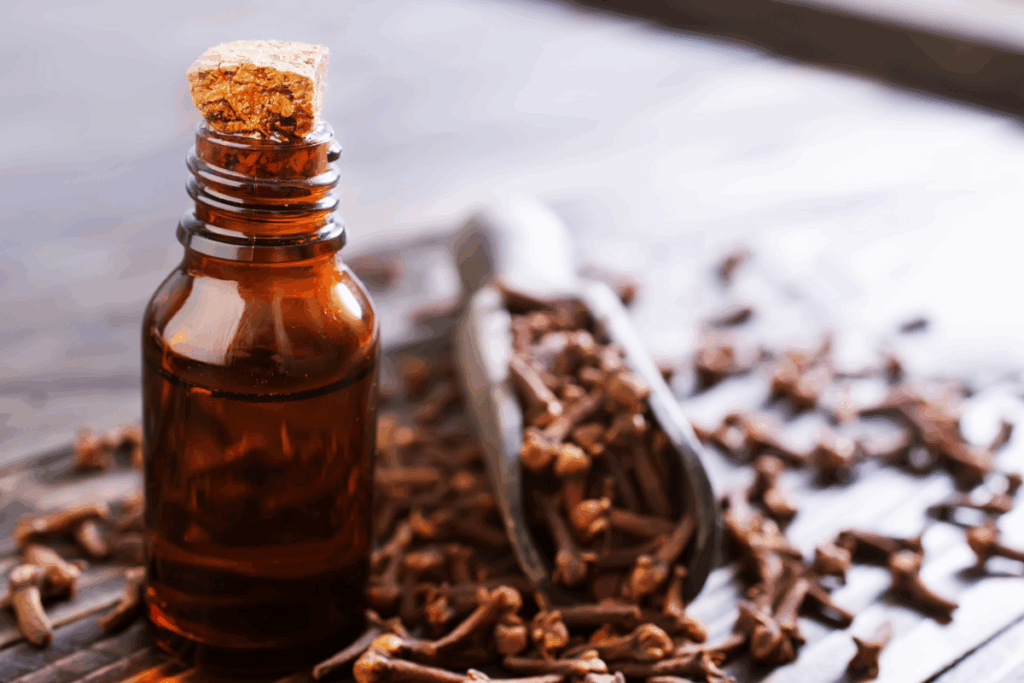
An aromatic spice popular in Indian and Chinese medicine and cuisine, clove bud essential oil has been widely used to treat athlete’s foot and dental problems.
It’s also effective for treating nail fungus and other fungal infections.
The literature suggests this oil must be diluted with a carrier oil, and a skin test is typically recommended as incorrect use can lead to serious skin problems. Do not mix with anticoagulants or aspirin. People with diabetes, allergies, liver or kidney diseases, as well as children, should not use it. Seek professional advice if considering application, and apply gradually in small amounts.
Lavender oil
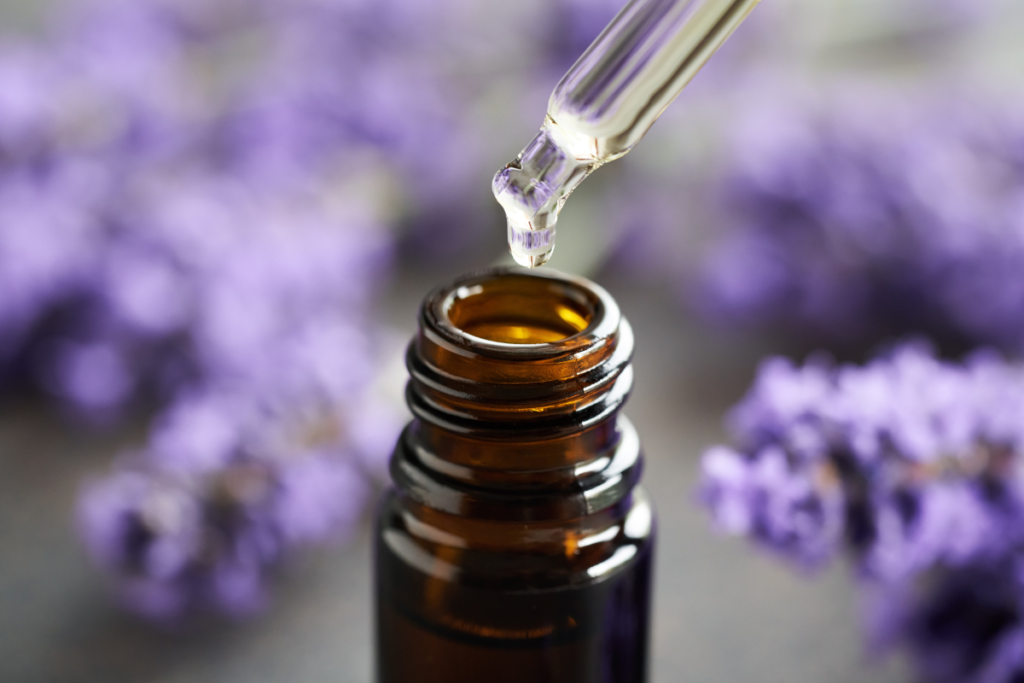
The flowers of the evergreen Lavender shrub (from the Latin word that means ‘to wash’), were popular within the Ancient Persians, Greek and Romans. Lavender essential oil has been known for over 2,500 years for its antifungal and antibacterial properties.
The consensus in the literature is that you can breathe in the steam, add it to your bathwater, apply topically (on your skin), or even make a natural scrub for your kitchen and bathroom.
Tea tree oil

Also called Melaleuca oil, tea tree essential oil is extracted from a tree native to Australia, and was widely used by the First Nation People to treat skin infections for thousands of years.
This oil is highly valued for its strong antifungal and antibacterial qualities, which make it a great natural disinfectant and remedy against fungal and bacterial infections in our skin, toe-nails, and respiratory tract.
If applying topically, you should do a sensitivity test. Never administer orally, and keep away from pets.
Oregano oil

Rich in carvacrol and thymol, oregano essential oil shows strong antibacterial and antifungal activity.
It’s known to be effective in treating dental caries, skin infections, yeast infections, athlete’s foot, and small intestine bacterial overgrowth, but further in vivo research is required.
Used topically (on skin) it should always be diluted with a carrier oil (according to the literature). For oral administration, it should only be ingested in the form of a certified supplement under the supervision of a qualified professional.
Geranium oil
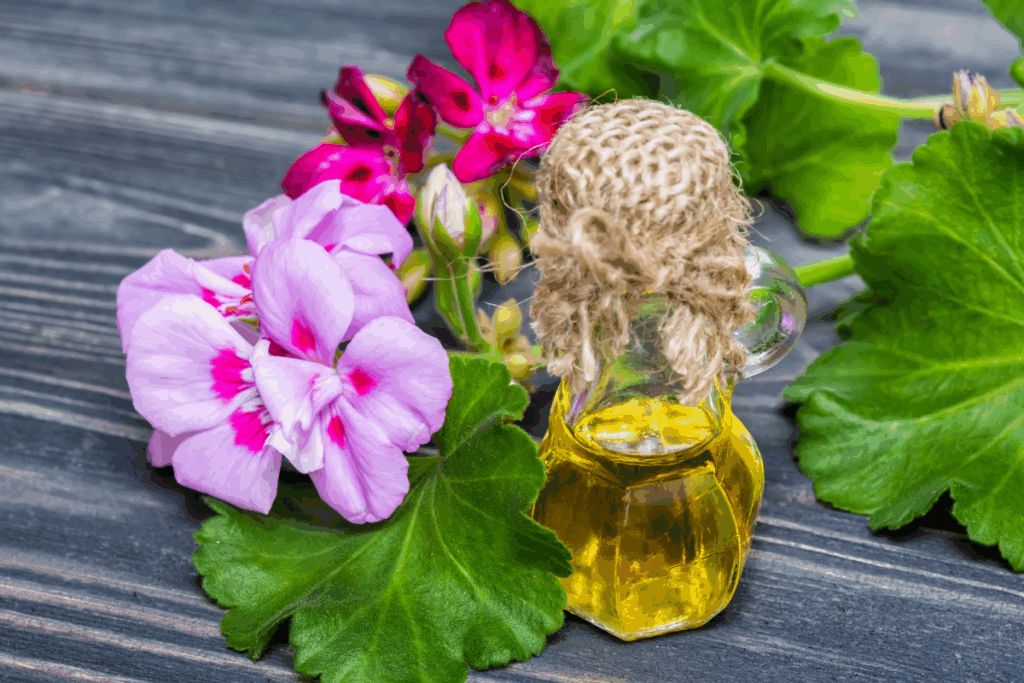
From a perennial shrub native to South Africa, geranium essential oil has similar therapeutic properties as rose oil.
It contains antibacterial and antifungal properties, stopping the growth of various bacterial and fungal cultures, and preventing infections. It’s also great as a natural deodorant, killing odor-causing bacteria.
Diluted with a carrier oil it can be added to your bathwater or applied topically. It can irritate delicate skins, especially children’s, who should not be exposed to this oil at all.
Lemon balm oil
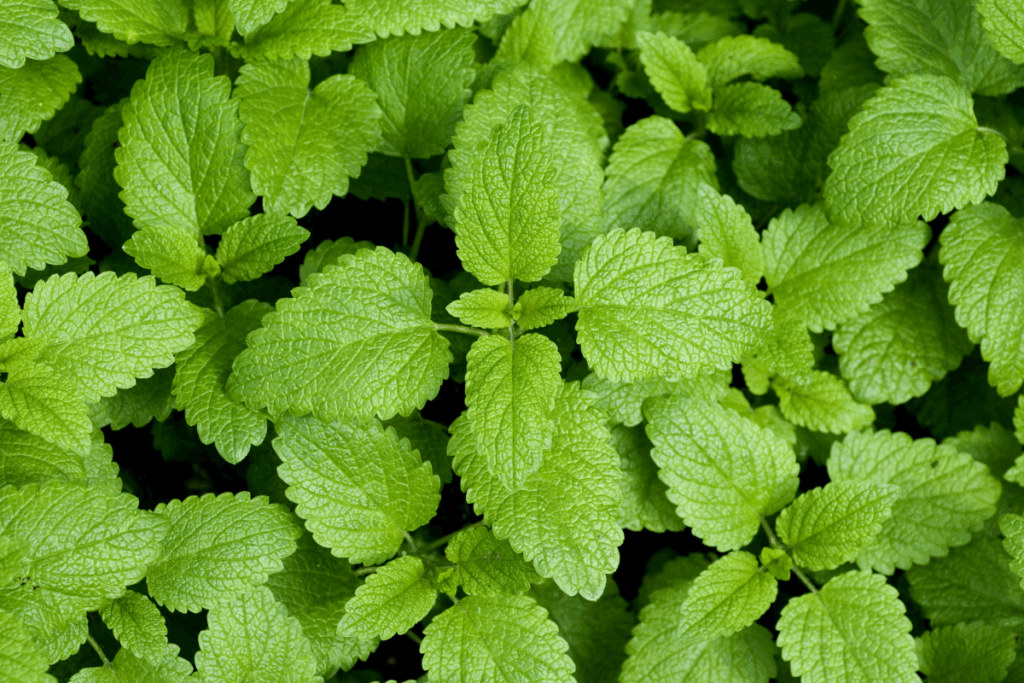
Also known as Melissa oil, lemon balm oil is made up of mainly aldehydes and monoterpene alcohols, which make it a strong bactericidal and fungicidal.
This also means it can cause skin irritations, so it’s important to dilute properly (under 0.9% for topical applications) and used with care. Do not use it in children and people with hypersensitive, diseased, or damaged skin. Avoid using in a bath, even when diluted.
Rose otto oil
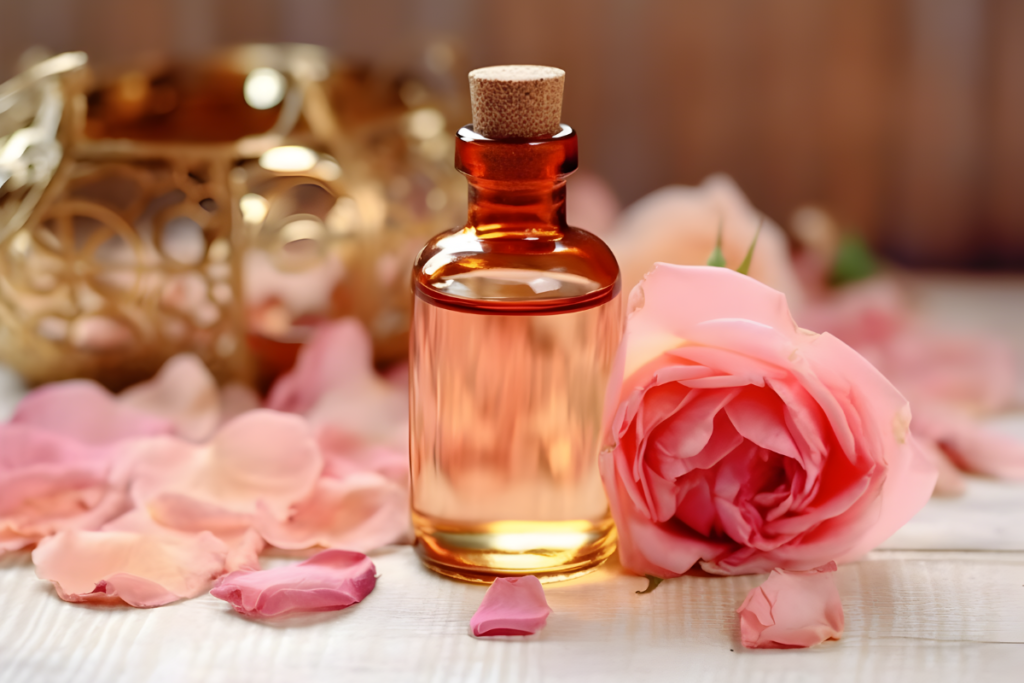
Made from the fragrant damask rose, rose essential oil is known as Liquid Gold for its tough production process and its powerful properties.
Rich in a variety of compounds, it acts as a potent antibacterial in skin treatments, but cannot be applied directly onto the skin. Dilute to 0.6% with a carrier oil for topical application. Through inhaling it supports mental wellbeing and may also fight bacteria in the respiratory tract.
Rosemary oil
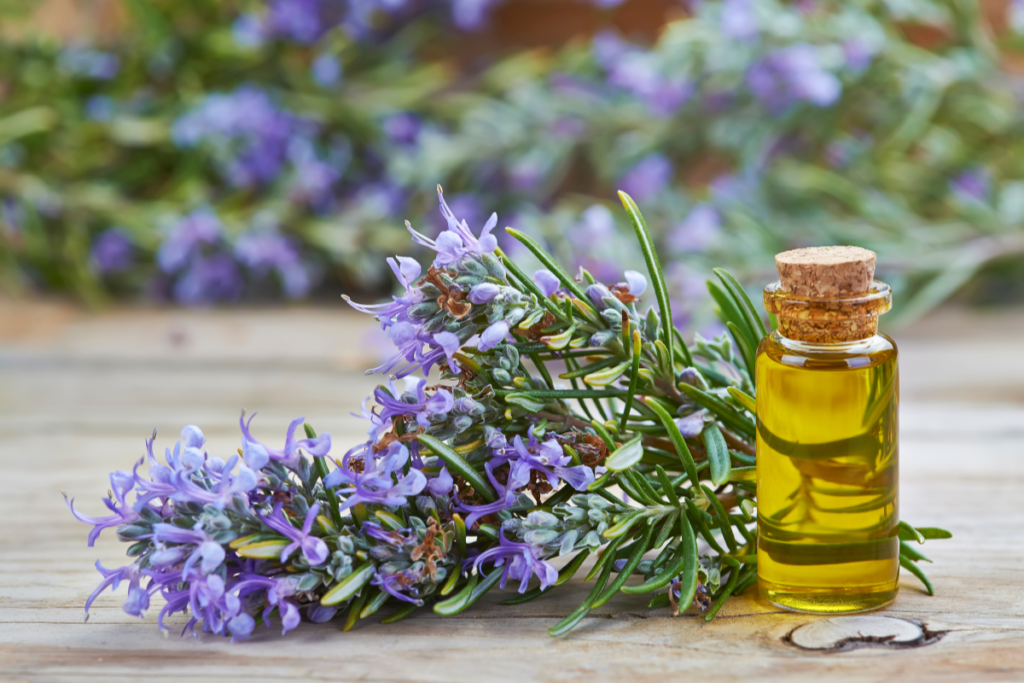
Native to the Mediterranean region, rosemary essential oil was already used in the 16th century, topically and via inhalation, to eliminate harmful bacteria.
Today, it’s widely used in cosmetics, aromatherapy, traditional medicine and household cleaning products as a bactericidal and fungicidal. Applied topically, it needs to be diluted in small amounts with a carrier oil, as high concentrations can cause skin irritation. Avoid reaching eyes, inner nose, ears and other sensitive areas.
Clary sage oil
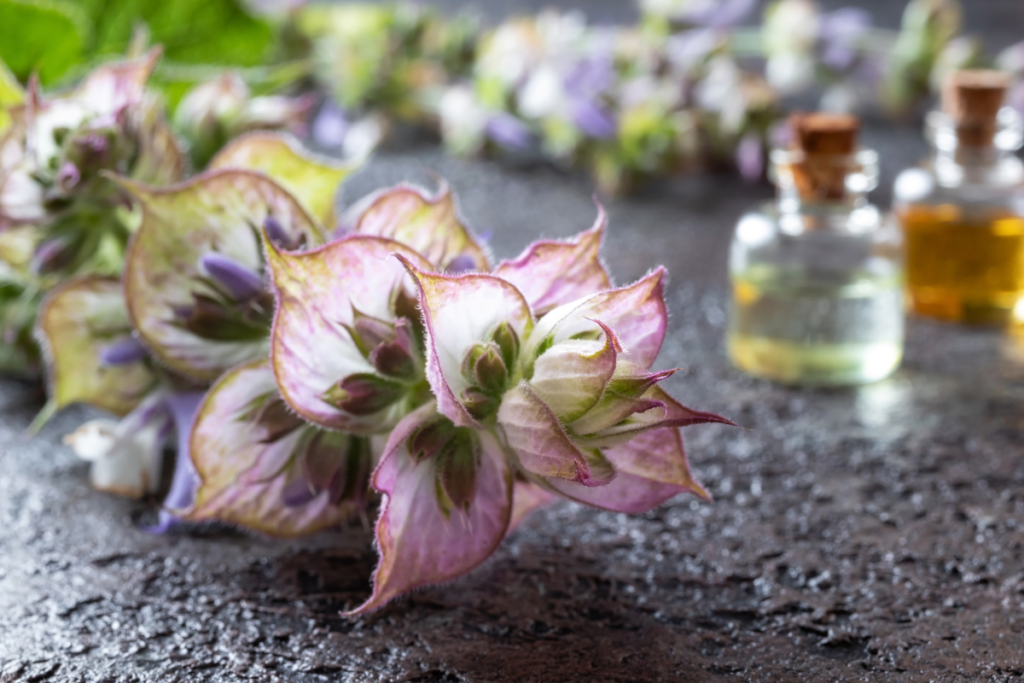
Obtained from a perennial herb that grows worldwide, clary sage essential oil has similar therapeutic properties as regular sage oil with less risk of side effects.
Used topically, in baths and inhaled, it exhibits moderate activity against various strains of bacteria, and potent antifungal activity.
According to the literature, it has sedative properties, so it should not be mixed with alcohol or narcotics. It should apparently also be avoided if you have low blood pressure or estrogen-induced conditions. Do not administer to children or pregnant women.
Sandalwood oil
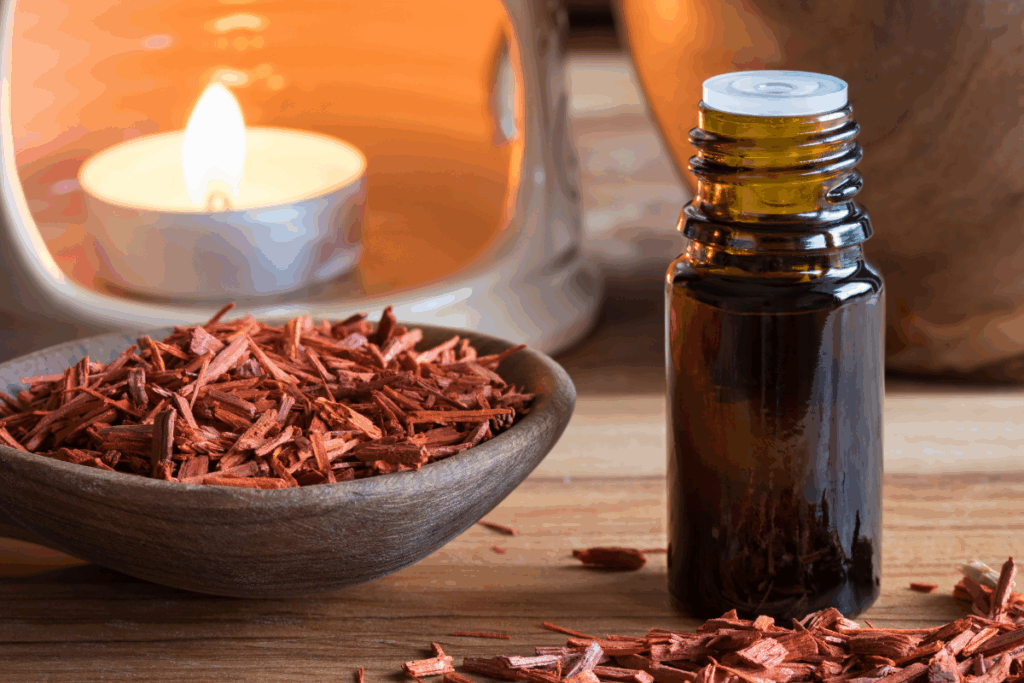
Famous for its unique scent, sandalwood essential oil exhibits bactericidal and fungicidal activity in vitro. In practice, it has long been used in Chinese and Ayurvedic medicine to treat respiratory and urinary infections.
Many aromatherapy practitioners believe it is safe to apply directly to the skin, but a sensitive test is usually recommended if you choose to use undiluted. The strong fragrance can cause nausea or headaches in sensitive people.
Cinnamon oil
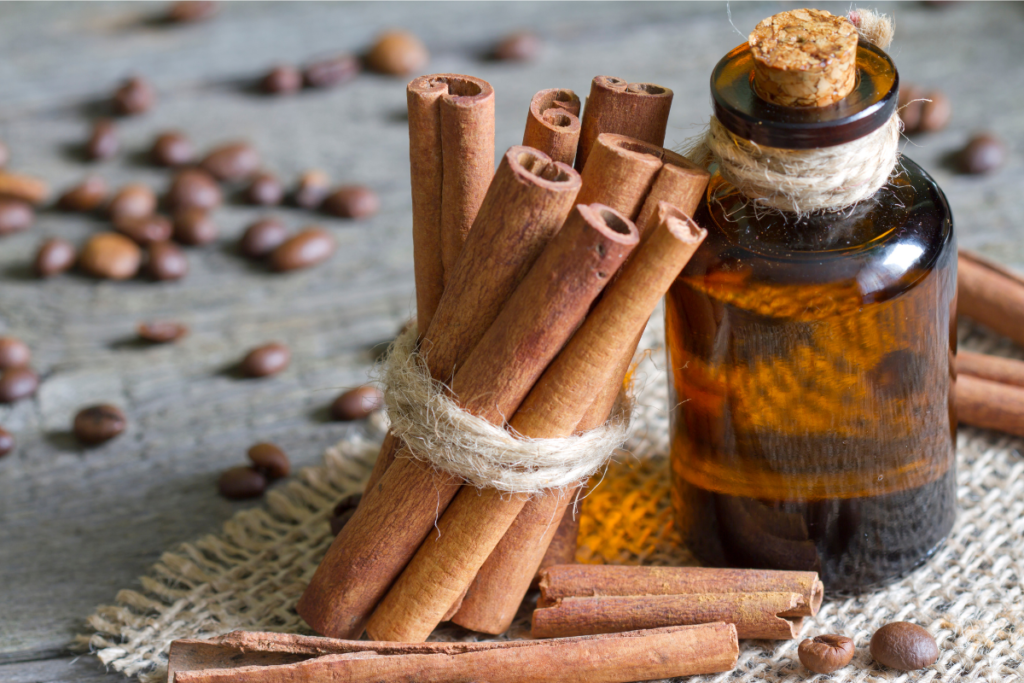
Cinnamon essential oil can be extracted from the leaves or the bark of the cinnamon tree. In varying amounts, both are rich in cinnamaldehyde, an organic compound that transfers its warming scent as well as its potent bactericidal and antifungal properties against various pathogens responsible for human infectious diseases.
Cinnamon oil can be toxic or cause irritation in the skin and mucous membranes, so it should always be diluted. A skin patch test is recommended before use. Pregnant and nursing women are advised against using this oil, that should also be avoided by toddlers. It should not be swallowed.
Lavender oil as an antibacterial
Lavender essential oil is very popular for its medicinal and cosmetic uses. It’s traditionally believed to have strong antimicrobial effects. It was used by soldiers during World War I over their wounds to prevent infections.
Lavender essential oil has shown strong activity against several strains of pathogenic bacteria, including Aphylococcus aureus, Enterococcus and Enterobacter aerogenes. It’s also believed to have sedative, anti-depressive and anti-inflammatory properties, and well as its recognised antimicrobial effects.
Antimicrobial Essential and Carrier Oils
An antimicrobial agent is one capable of destroying microbes, which are microorganisms that live in water, soil and air, and also inside the human body. Some microbes can make us sick while others have a positive effect on our health. The most common types of microbes are bacteria, fungi and viruses.
An essential oil with the ability to kill bacterial, fungal or viral cells is considered an antimicrobial agent. Lavender, thyme, peppermint, cinnamon, clove, sage, tea tree and eucalyptus oils are among the most researched for their antimicrobial activity.
Carrier oils are generally vegetable oils obtained from a plant’s seeds, kernels or nuts. Seed oils in particular, like linseed and pumpkin, show significant antimicrobial properties. Other carrier oils, like aloe vera and jojoba, seem to enhance the antimicrobial activity of microbicidal essential oils.
These oils are used as a base to dilute essential oils so they can enter the body safely. Whether they permeate the bloodstream via airways, skin or mouth, a carrier oil will reduce the risk of irritation and allergic reactions, allowing for the therapeutic properties to interact with our organism without adverse effects.
All vegetable oils are rich in fatty acids, which are said to have antibacterial properties once the body assimilates them.
Final words
There is still a long way to go in terms of understanding the properties of essential oils in interaction with the human body. While there is much in vitro evidence of the antimicrobial qualities of several essential oils, there is great need for further in vivo research and clinical trials. There are various limitations in the ability of essential oils to fight pathogenic microbes, such as the maximum dose necessary to kill them without causing side effects on the person, as well as the origin, distillation process and quality of the essential oil used.
For that reason, aromatherapy (as in the use of fragrant oils for therapeutic purposes) remains a complementary practice that needs to be supervised by a professional health practitioner. It is important to exercise caution when applying essential oils as they are known to produce adverse effects such as allergic reactions, irritation in the skin and mucous membranes, or photosensitization.