
The best candles for meditation are natural, non-toxic, and infused with pure essential oils. Candles with essential oils such as lavender, cedarwood, sandalwood and Jasmine are ideal for a focused and relaxed meditation session. Choosing a color that aligns with your intended chakra focus can also enhance the benefits of your practice.
More than 47 million Americans practise yoga or meditation today, with many using candles to improve their experience. In fact, candles have been used in meditation for thousands of years because they help you both relax and focus at the same time. You can read more about the history of candle use in meditation here.
This guide will take you through the 4 main qualities that make a candle perfect for meditation so that you can find the perfect one for your meditation session.
Qualities that make a candle perfect for meditation
Choosing the ideal candle for meditation can be a little challenging because of the several qualities a candle needs to help you meditate well.
The best candles for meditation should have the following qualities:
- Scent
- Color
- Natural and non-toxic
- ‘Chakra’
- Sizable and durable
1. Scent
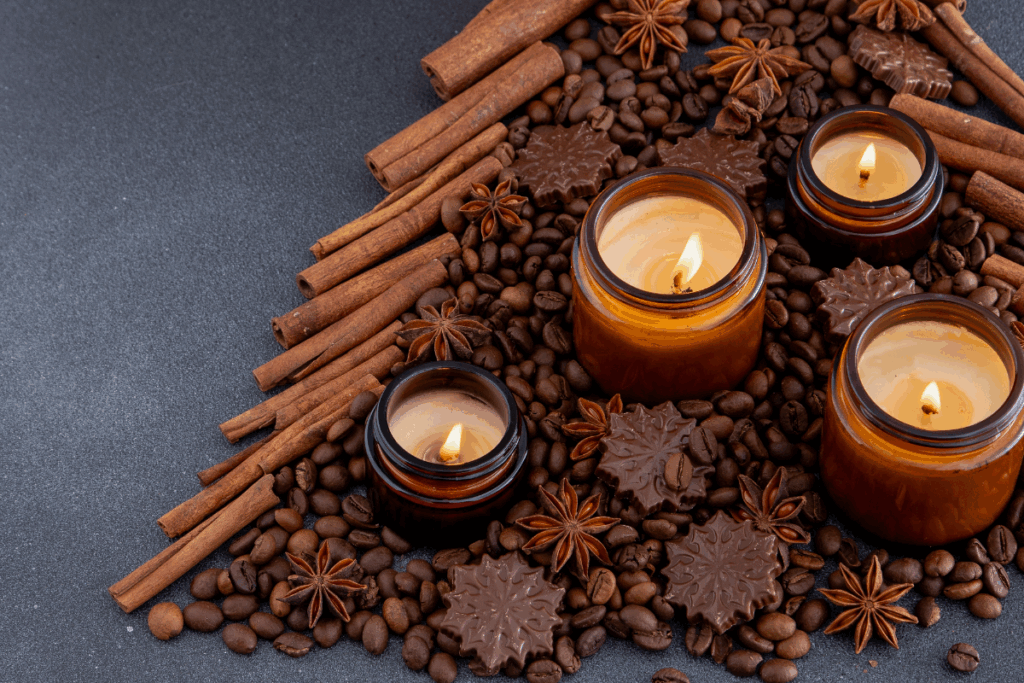
Scented candles are a powerful addition to your meditation practice because they engage your sense of smell, one of the most direct pathways to the emotional brain. The right fragrance can calm your nervous system, enhance focus, or lift your mood, depending on what you need in the moment.
Here are some of the best candle scents for meditation:
- Cedarwood
Earthy and woodsy, cedarwood connects you with nature and helps you feel more centered and stable. - Jasmine
Floral and subtly sweet, jasmine is uplifting and is often used for heart-centered meditations. - Lavender
Known for its relaxing properties, lavender helps reduce stress, calm anxiety, and prepare your mind for stillness. - Sandalwood
A classic in spiritual traditions, sandalwood promotes clarity and spiritual focus, making it ideal for deeper meditative work. - Vanilla
A warm, comforting scent that encourages emotional grounding and a sense of safety.
When choosing a scented candle, look for one that uses pure essential oils rather than synthetic fragrances. Synthetic scents can be overpowering and may cause headaches or distract from your meditation. Natural essential oils, on the other hand, support the therapeutic benefits of aromatherapy without the downside.
2. Color
When it comes to meditation, the color of your candles is just as important as its smell. Each color stands for something distinct. The color of your candle can subtly influence the energy of your meditation space.
Matching the color of your candle to your focus or intention during a session can help you shift into your meditative state more easily. This is especially helpful if you’re meditating with a very specific purpose in mind like healing, focus, or emotional release.
Here’s a quick guide to meditation candle colors and their meanings:
- White
Represents purity, clarity, and spiritual awareness. A great all-purpose candle for any type of meditation. - Red
Symbolizes vitality, courage, and grounding. Often used for root chakra work or when you need physical or emotional strength. - Pink
Associated with love, compassion, and emotional healing. Useful for self-love and heart-centered practices. - Orange
Encourages creativity, joy, and openness. A great choice for sacral chakra meditations or emotional flow. - Yellow
Represents confidence, clarity, and mental energy. Supports focus and personal power. - Green
Linked to healing, balance, and the heart chakra. Ideal for emotional restoration and compassion-based meditations. - Blue
Supports calm, communication, and inner truth. Helps during throat chakra work or when you need to express yourself clearly. - Purple or Indigo
Enhances intuition, spiritual connection, and higher consciousness. Ideal for third-eye and crown chakra work. - Black
Often used for protection and releasing negative energy. Helpful if you’re letting go of stress or emotional blocks.
You can select a candle color based on the energy you want to invite in, the chakra you’re working with (more on that later), or simply the mood you want to create. If you’re not sure where to start, white is a versatile choice that pairs well with almost any intention.
3. Natural and Non-toxic
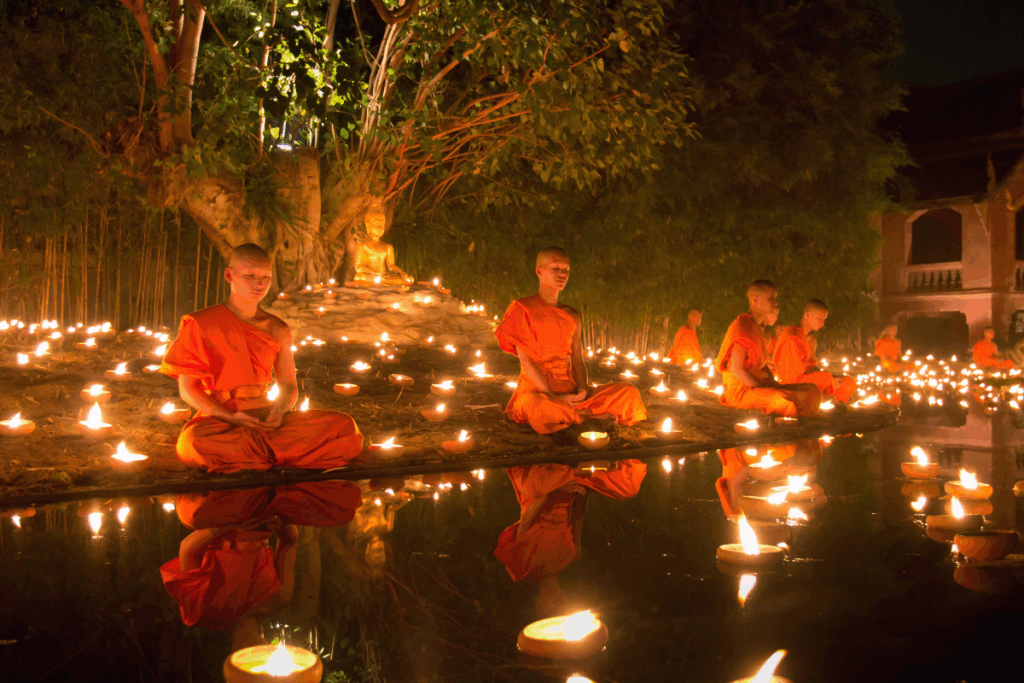
When looking for the best meditation candle, pay attention to the materials used to produce it, as some are hazardous. Because the goal of meditation is to relax, the use of aromatherapy candles or handcrafted candles created from toxic-free ingredients is recommended.
Organic candles are also less likely to trigger allergies. The greatest meditation candle should be made from natural waxes, such as soy wax, and pure essential oils.
Beeswax candles are a top choice for those looking for an eco-friendly option. Unlike paraffin candles, which are made from petroleum, beeswax candles are all-natural and burn cleaner, releasing minimal soot and toxins. They also emit a natural, sweet fragrance and a warm, inviting glow, perfect for creating a cozy meditation space.
For those who prefer a vegan option, soy candles are an excellent choice. Made from hydrogenated soybean oil, they are free from animal products and burn cleaner than paraffin candles, producing less soot. Soy candles also have a lower melting point, which means they tend to last longer, providing countless hours of serene meditation.
It’s best to avoid using candles made of compounds such as paraffin because they can create unpleasant side effects such as vomiting, headaches, and nausea.
4. Chakra
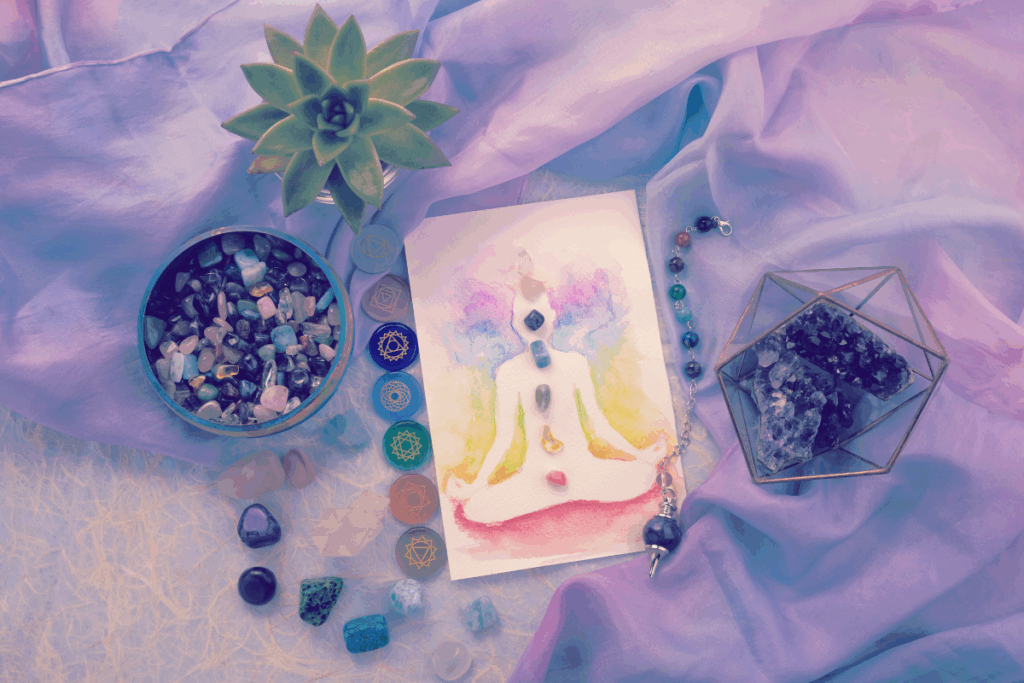
Chakra is a feature to think about while selecting a meditation candle. Chakra candles are an amazing way to increase the effectiveness of energy healing sessions and meditations. They combine color therapy and aromatherapy, and are thought to resonate with and strengthen various chakras and are often used in meditation.
‘Chakra’ is a Sanskrit word that means “wheel,” which is a traditional Indian medicine notion that refers to a spiritual energy center in the human body that is represented as a wheel or lotus flower.
There are 7 main chakras, each associated with a specific color.
Crown Chakra (Sahasrara) – Violet or White
Located at the top of the head, the crown chakra represents spiritual connection, enlightenment, and your link to the universe or a higher power. Violet or white candles can support meditations that are focused on inner peace, universal consciousness, or divine guidance.
Third-Eye Chakra (Ajna) – Indigo
Found between the eyebrows, this chakra governs intuition, imagination, and insight. An indigo candle is ideal when you’re meditating to access inner wisdom, develop your intuition, or gain clarity about a decision or path.
Throat Chakra (Vishuddha) – Blue
Centered at the throat, this chakra deals with communication, truth, and expression. A blue candle helps support honest self-expression, clear communication, and creative flow. It’s useful for meditations involving journaling, speaking, or setting boundaries.
Heart Chakra (Anahata) – Green
Located at the center of the chest, this chakra is the seat of love, compassion, and emotional healing. A green candle supports meditations focused on self-love, forgiveness, empathy, and relationships—with both yourself and others.
Solar Plexus Chakra (Manipura) – Yellow
Situated just above the navel, this chakra governs confidence, personal power, and motivation. Use a yellow candle to energize your willpower, boost self-esteem, and clear mental fog during meditations around achievement or purpose.
Sacral Chakra (Svadhisthana) – Orange
Located in the lower abdomen, this chakra relates to creativity, sensuality, and emotional flow. An orange candle can stimulate creative thinking, help you embrace change, and reconnect with your emotions in a healthy way.
Root Chakra (Muladhara) – Red
Found at the base of the spine, the root chakra represents safety, stability, and survival. Red candles help with grounding, anchoring you to the present moment, and easing anxiety or fear. Great for meditations that focus on releasing tension and reconnecting with your body.
5. Size and Durability
Size and durability matter when choosing a meditation candle. A durable candle should burn for long periods without flickering out or making a mess.
Size is significant since a larger candle will burn for a more extended period, providing a better setting for meditation and a greater value for your money.
Another important tip is to get a broad candle compared to a tall candle to avoid accidents or fires caused by toppling over.
How to use candles for meditation
To meditate with candles, first arrange the space where you will meditate, select a candle and place it at eye level 20 inches away from you. Sit down in a comfortable position, and light the candle for meditation. Clear your mind and concentrate on the flame. Make sure you’re in a dimly lit place with a comfortable temperature. Here are some simple steps you can follow:
Using candles during meditation is simple and effective. Here’s how to get the most out of them:
1. Prepare your space
Create a calming setting before you meditate by finding a quiet area, dimming the lights, removing any distractions from the room, and dressing comfortably.
- Find a quiet, dimly lit area
- Remove distractions
- Dress comfortably
2. Choose your candle
- Pick a natural, non-toxic candle (beeswax is ideal)
- Match the color to your meditation goal or chakra focus
- Decide whether you want a scented or unscented candle
3. Position your candle
Place your candle in the correct position for a productive meditation session.
- Place the candle at eye level, about 20 inches in front of you
- Ensure it’s on a stable, fire-safe surface
- Optional: place extra candles around the room for added ambiance
4. Start your meditation
- Sit comfortably
- Gaze at the flame or close your eyes and focus inward
- Breathe deeply and allow the candle’s glow and scent to guide you
5. Finish mindfully
- Blow out the candle(s)
- Sit for a moment and return to your surroundings gently
Don’t rush out of your meditation state. Take your time to return to the hustle and bustle of our everyday lives.