
Essential oils high in linalool include lavender, bergamot, clary sage and coriander. Oils rich in linalool tend to have fresh and sweet smells, often floral or citrus in nature. These oils are also known for their antimicrobial properties.
Plants produce essential oils for several purposes, from protection to nutrient uptake. These volatile liquids are also responsible for the plant’s fragrance and flavor. One of these specialized compounds is linalool, widely known for its aroma and multiple properties.
In this article, we explain the uses of linalool within the plant and, especially, its biological effect on humans. Read on to discover the essential oils that contain linalool and the benefits that are transferred from this natural chemical.
Essential oils high in linalool
Linalool is a fragrant, colorless oil found in many flowers and spice plants. It has a neuroprotective and antimicrobial effect.
Linalool is an active chemical compound naturally occurring in over 200 plants, mostly from the Lamiaceae (mints), Lauraceae (laurels) and Rutaceae (citrus fruits) plant families. It’s a substance generally recognized as safe (GRAS) for human and animal consumption.
Linalool is highly valued for its unique fragrance, which makes it a great ingredient in food flavorings, perfumes, cosmetics, hygiene products and even hoppy beer. Pure linalool extract and essential oils with high linalool content are known for their antimicrobial, anti-inflammatory, anticancer and antioxidant properties.
Here are the essential oils that contain the most linalool:
1. Coriander oil
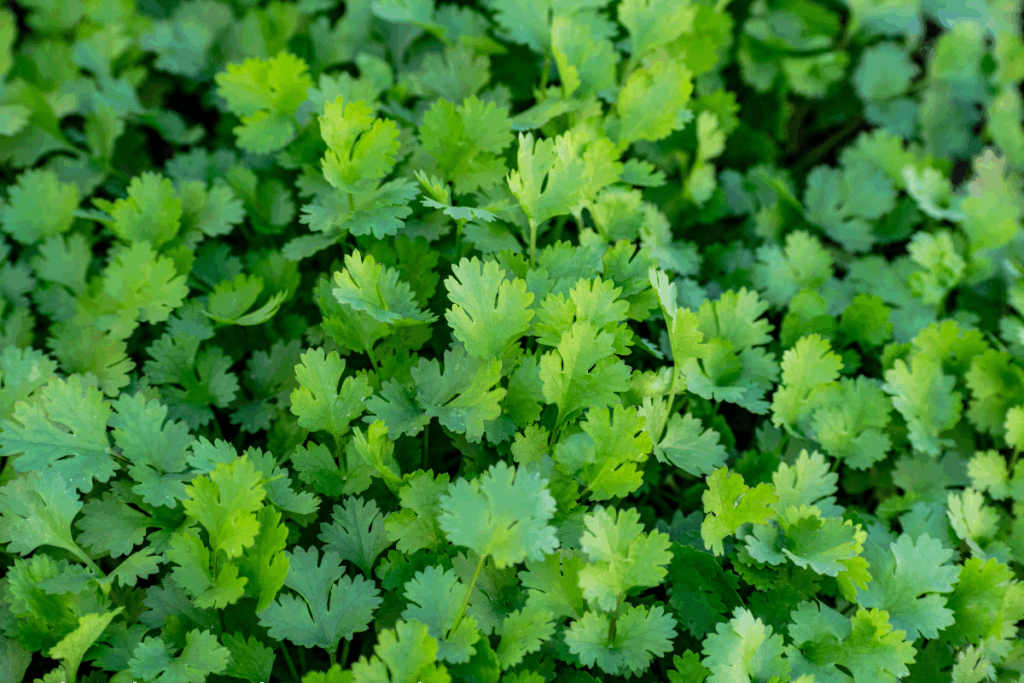
Extracted from the seeds of the cilantro plant, coriander essential oil contains high amounts of linalool. Depending on the variety coriander oil can contain between 40 and 80% linalool.
While coriander is a very popular spice for cooking because of its warm, nutty and spicy taste, it also has a variety of therapeutic uses, especially effective for treating gastrointestinal issues. It has proven to help with lowering blood sugar and reducing blood pressure when consumed internally, and is well-known for its antibacterial properties.
For topical use, coriander oil should be diluted with a carrier oil to improve the appearance of skin or soothe the body with a massage.
2. Sweet basil oil
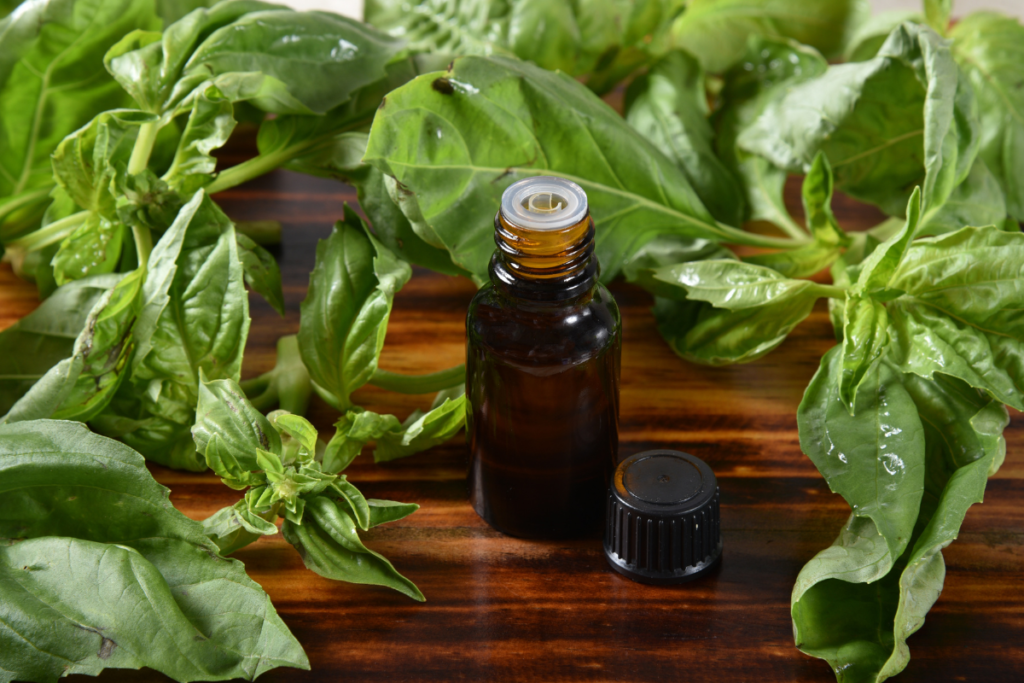
Known as ‘The Royal Herb’, sweet basil essential oil is rich in linalool.
In addition to its many culinary applications, basil oil has been used for centuries both internally and topically (diluted with a carrier oil) for its various therapeutic properties.
It’s a natural anti-inflammatory, antiviral, antioxidant, anti-depressant, antimicrobial, analgesic, carminative, antibiotic and diuretic agent, used as a traditional medicine to treat headaches, coughs, diarrhea, constipation, warts, worms and kidney malfunctions.
3. Lavender oil
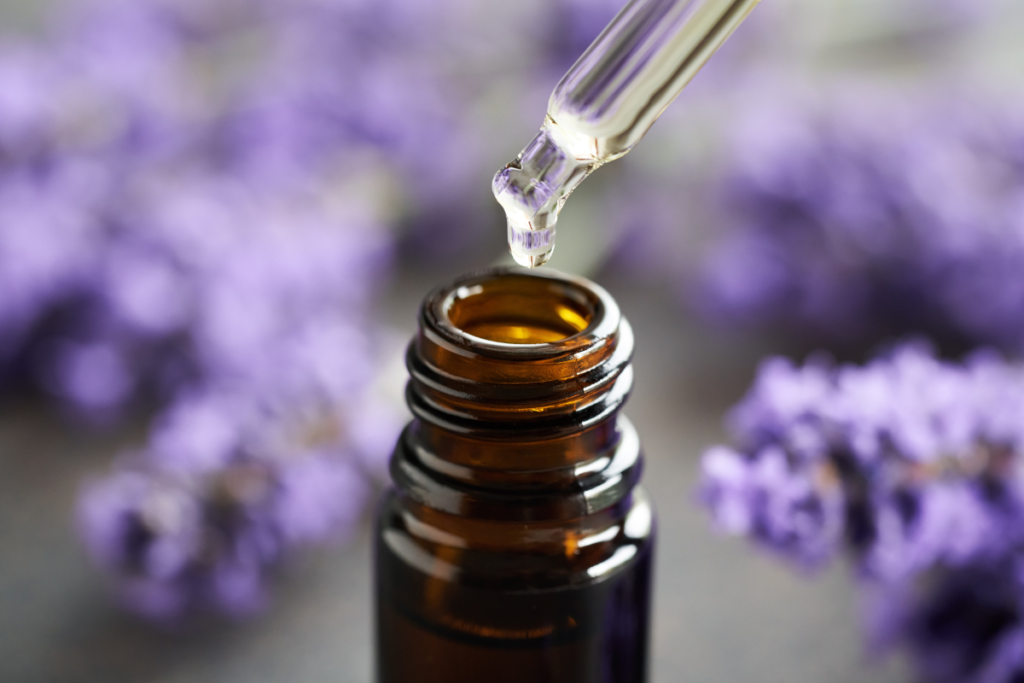
With over one hundred constituents within its chemical composition, lavender essential oil is rich in linalool, which accounts for ~35% of its contents. The potent properties of lavender oil, which make it one of the most used essential oils in the world, have been known to humankind for centuries.
It’s a strong antioxidant, antimicrobial, sedative, calming, antispasmodic, decongestant, anti-rheumatic, anti-inflammatory, diuretic and antidepressant agent widely used both cosmetically and therapeutically.
4. Cilantro oil
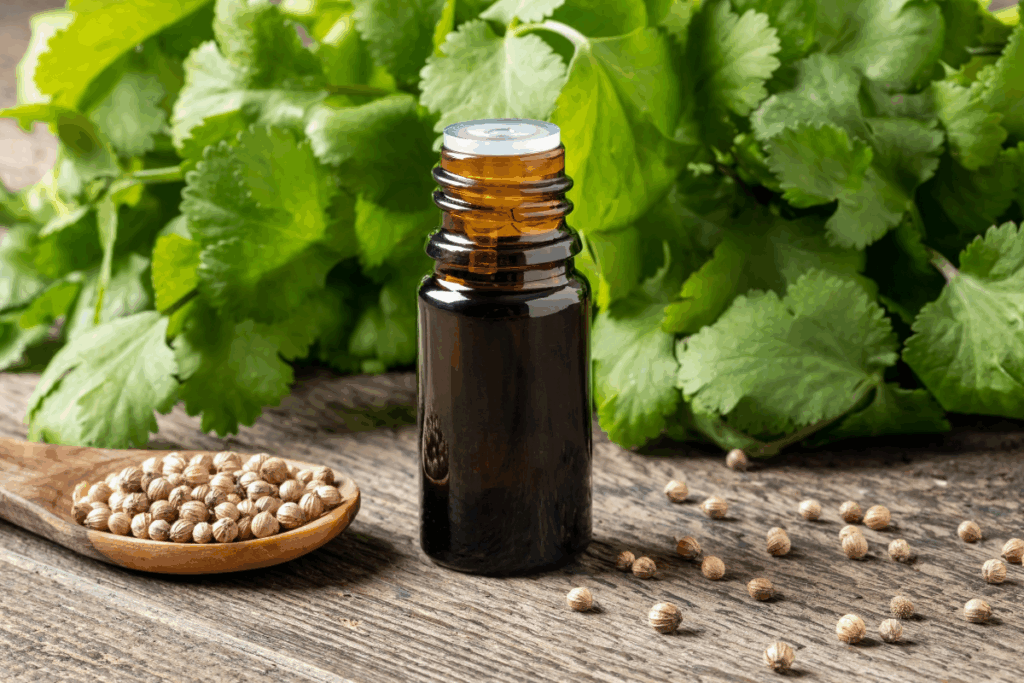
Cilantro oil is extracted from the leaves of Coriandrum sativum, the same plant from which coriander oil is obtained. Just as in coriander oil, linalool is the main chemical component, though they are different products.
With a more herbaceous and citrusy flavor, cilantro essential oil is said to support the digestive and immune systems when taken internally, provide cleansing and detoxifying properties, and offer a fresh flavor when added to sauces, soups and other foods.
It’s soothing and cooling when applied to the skin, but should be diluted with a carrier oil.
5. Bergamot oil
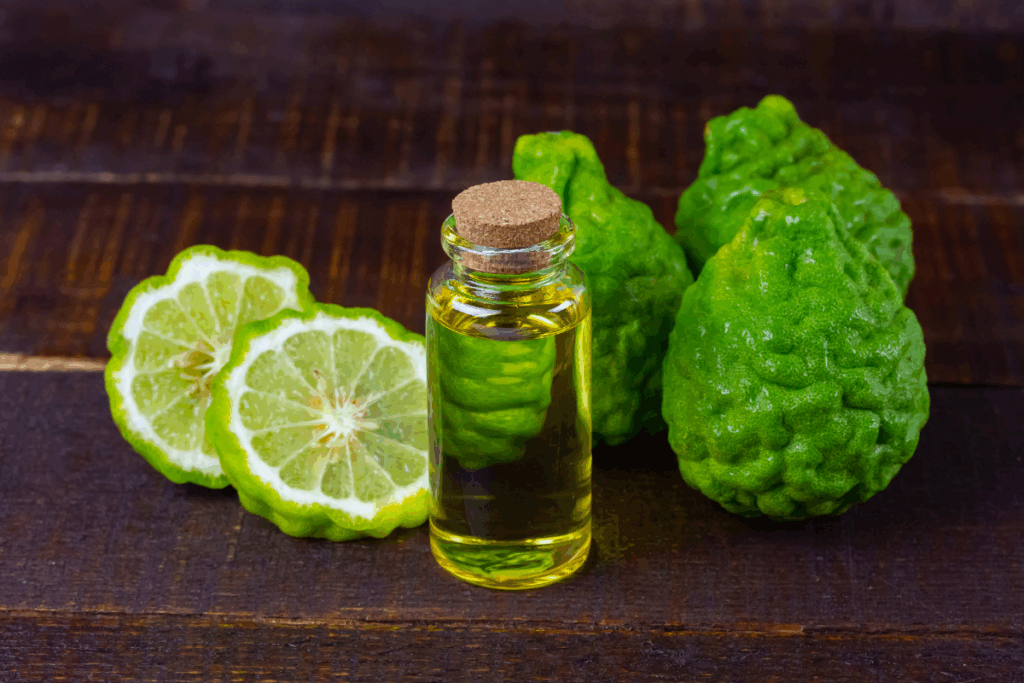
Popular in aromatherapy for its powerful antidepressant properties, bergamot essential oil exhibits notable amounts of linalool from which its sedative and anti-inflammatory properties derive.
Other medicinal benefits include analgesic, stimulant, diuretic, antiseptic, tonic, antibiotic, antispasmodic, disinfectant, febrifuge, digestive and antiviral activity.
Used topically, it disinfects the skin and prevents hair loss. It also serves as a great cicatrizant and natural deodorant.
6. Clary sage oil
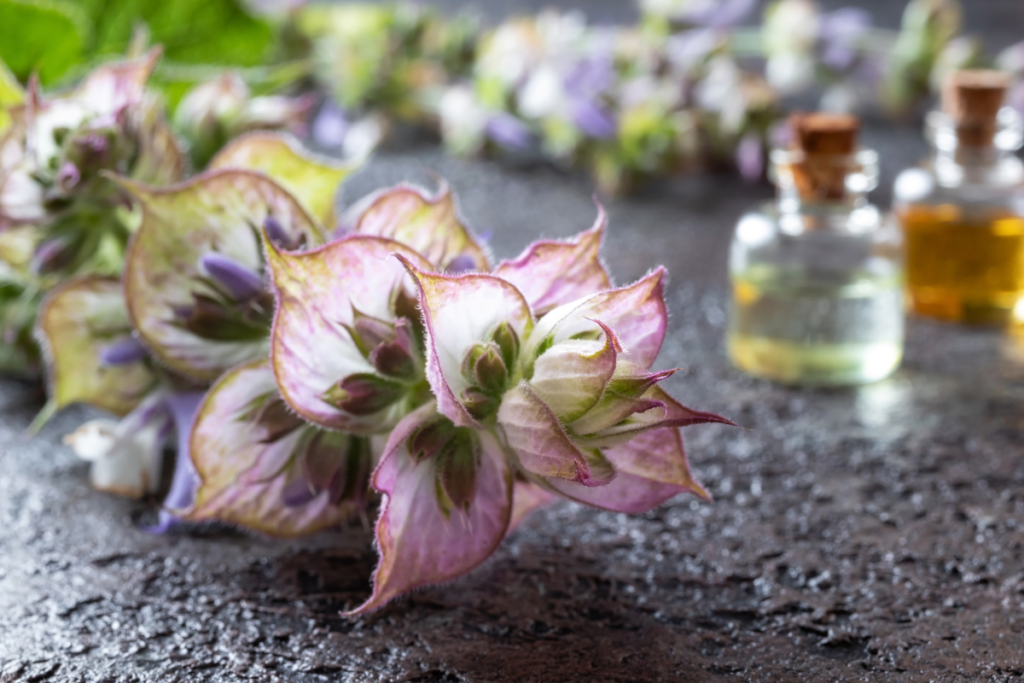
Clary sage oil, containing a good amount of linalool (~42%), is largely used in the flavoring of foods and beverages, and in perfumes and natural cosmetics.
Named ‘The Woman’s Oil’, it’s known to alleviate discomforts related to menstruation.
Other medical benefits include antiseptic, astringent, bactericidal, carminative, digestive, hypotensive, anti-inflammatory and analgesic properties.
7. Ylang ylang oil
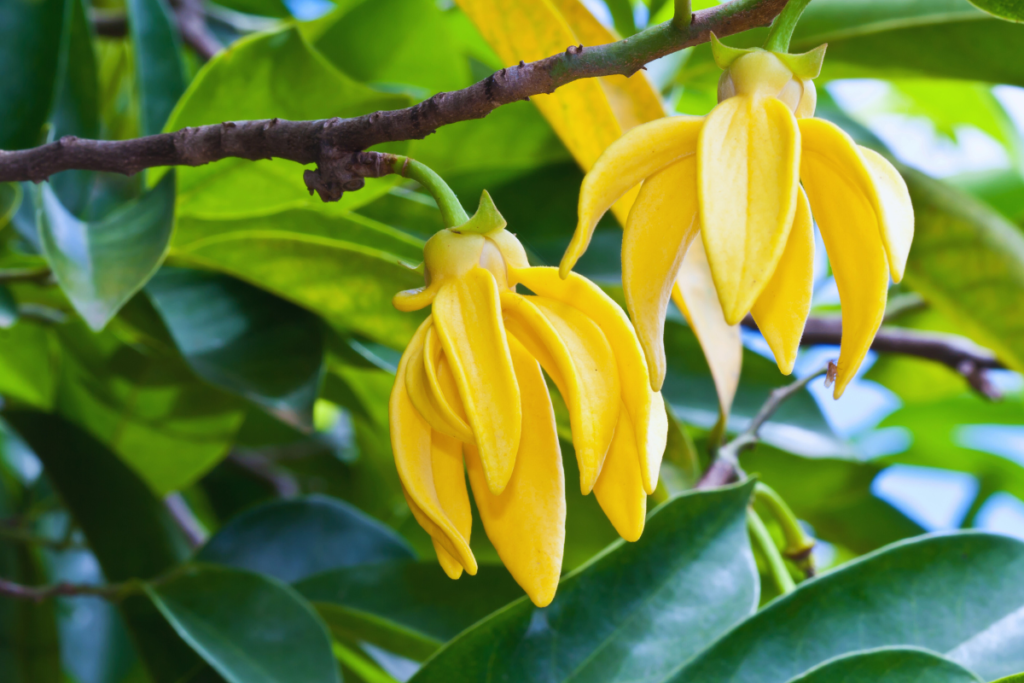
Ylang ylang essential oil, obtained from the yellow flowers of Cananga odorata botanical, has a high percentage of linalool among its chemical constituents.
Considered an effective antidepressant, antiseptic, antispasmodic and sedative agent, it is thought to support the endocrine, cardiovascular, reproductive and digestive systems.
It should be used in small amounts, both internally and externally, to avoid side effects.
8. Geranium oil
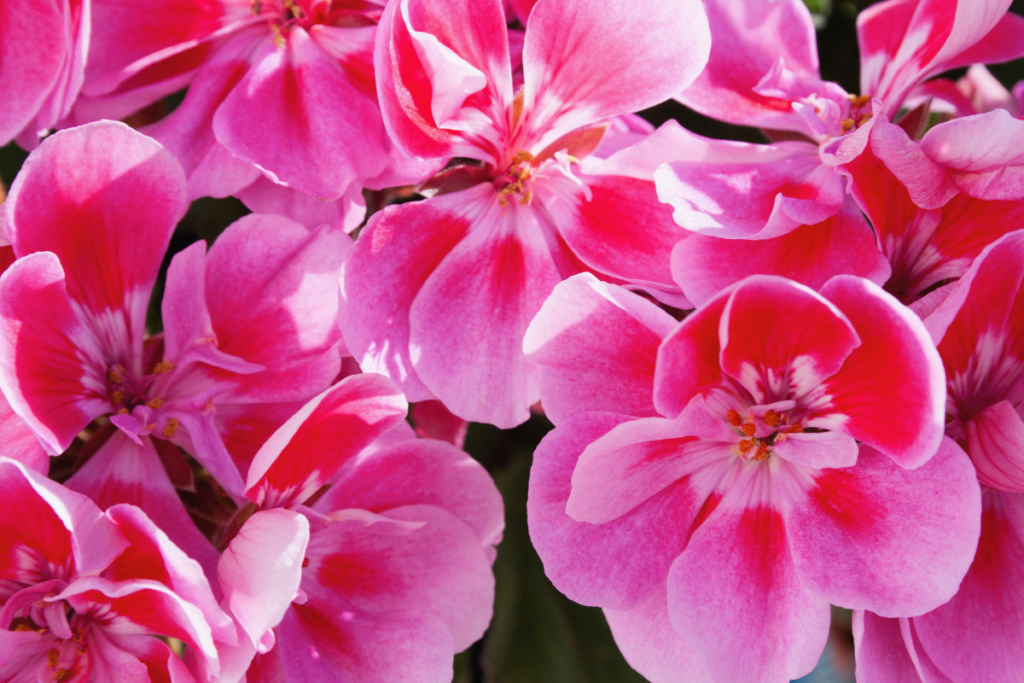
Geranium essential oil, rich in linalool, works as an anti-inflammatory, astringent, antiviral, antibacterial, decongestant and antiseptic agent. It is best used topically, diluted with a carrier oil and rubbed over the skin, or inhaled through a diffuser.
9. Cinnamon oil
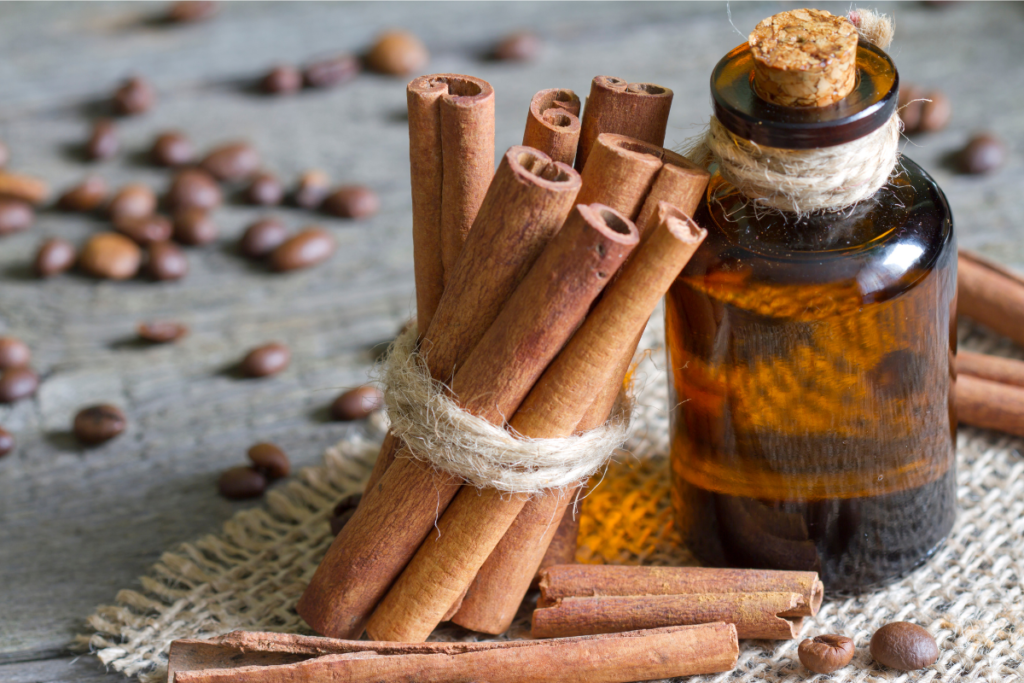
One of the major active components in cinnamon essential oil is linalool (up to 90% when the oil is extracted from the leaves).
When obtained from the tree’s outer bark it is more potent, as it also contains high amounts of cinnamaldehyde. Both terpenes transfer their antifungal, antibacterial and antimicrobial properties into the oil.
One of the world’s oldest and most valuable spices (historically considered equivalent to gold), cinnamon oil was a staple in folk medicine in ancient civilizations, used to reduce inflammation, eliminate viruses, boost immunity, stimulate metabolism and relieve pain.
10. Rosemary oil
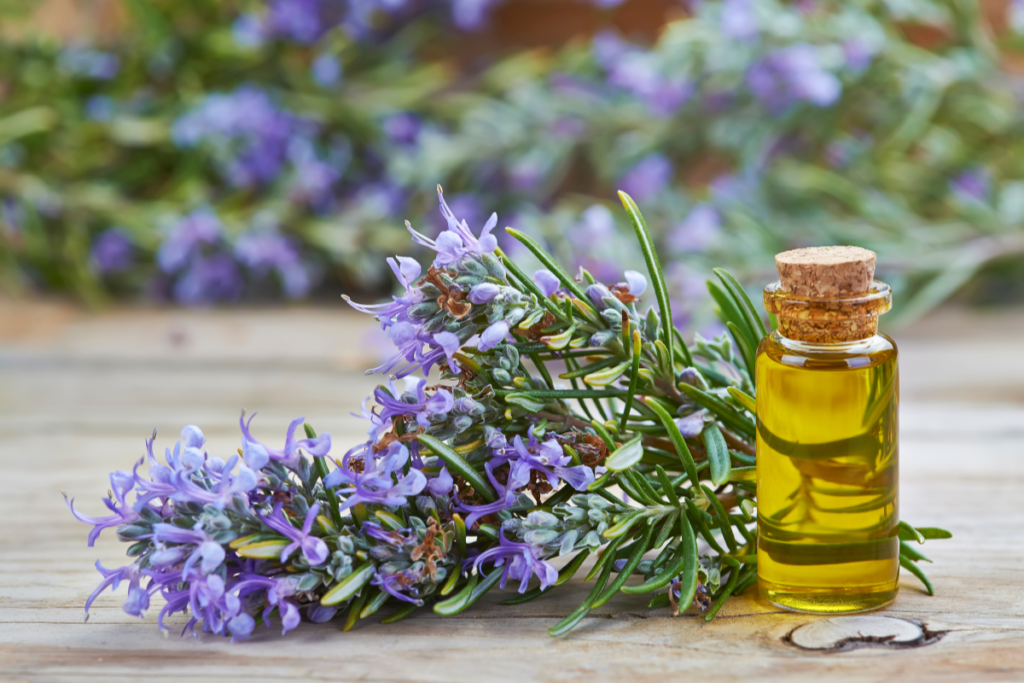
Named ‘Dew of the Sea’ after the Mediterranean sea cliffs where the herb originally grows, rosemary essential oil has been present in folk medicine for thousands of years.
Sacred to the ancient Greeks, Egyptians, Hebrews and Romans, it exhibits therapeutic properties derived from the linalool and other terpenes within its chemical composition.
It has antibacterial, antifungal, detoxifying, analgesic, anti-inflammatory, carminative, laxative, decongestant, antiseptic, disinfectant and antiseptic properties. For topical use, it should be diluted with a carrier oil that is gentle to the skin.
11. Neroli oil
Steam-distilled from the small, white flowers of the bitter orange tree, neroli oil contains significant amounts of linalool.
It should not be ingested, but has strong therapeutic effects when inhaled or diffused, such as reducing stress, lowering blood pressure, improving sleep, and treating colon problems. It is also effective in repairing and rejuvenating the skin cells.
12. Magnolia oil
Extracted from the blossoms of the tropical flower and popular in Chinese medicine, magnolia essential oil is rich in linalool.
It can be inhaled or diffused to promote relaxation, reduce symptoms of depression and anxiety, or applied topically to enhance the skin’s appearance and repair wounds and scars. It should not be ingested.
13. Rose oil
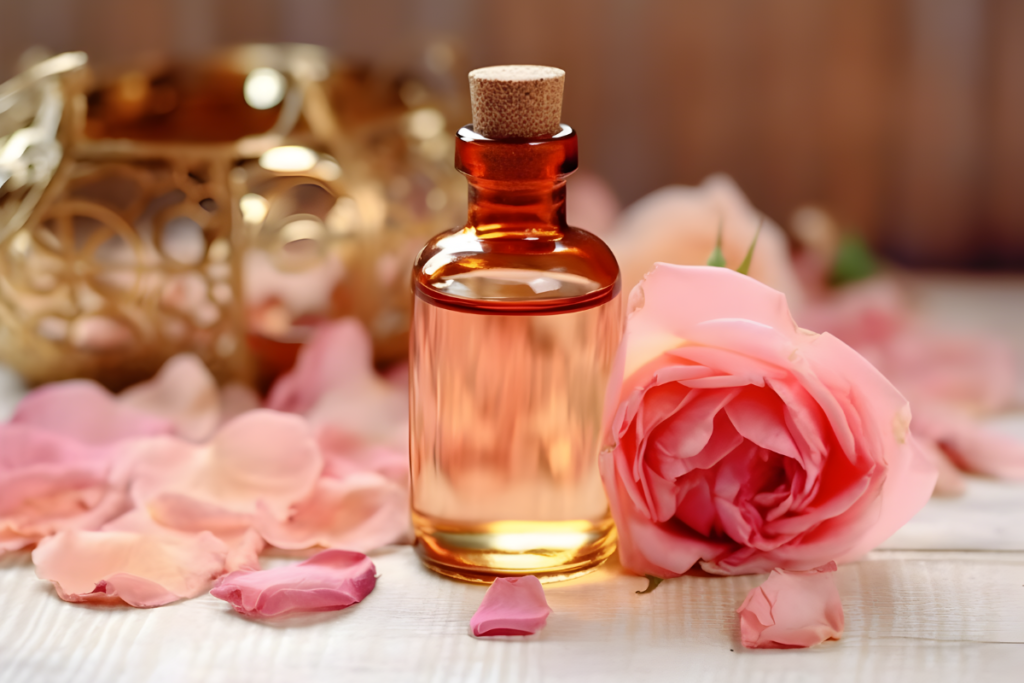
Obtained from the ‘Queen of Flowers’, rose absolute essential oil is rich in citronellol, geraniol and, of course, linalool.
It’s widely used in aromatherapy and perfumery, and can be applied undiluted for skincare, but it is not recommended for internal use.
For medicinal purposes, its antiseptic, bronchodilatory, circulatory and carminative properties are used to treat depression and anxiety, acne, menstrual cramps, and asthma.
14. Sweet thyme oil
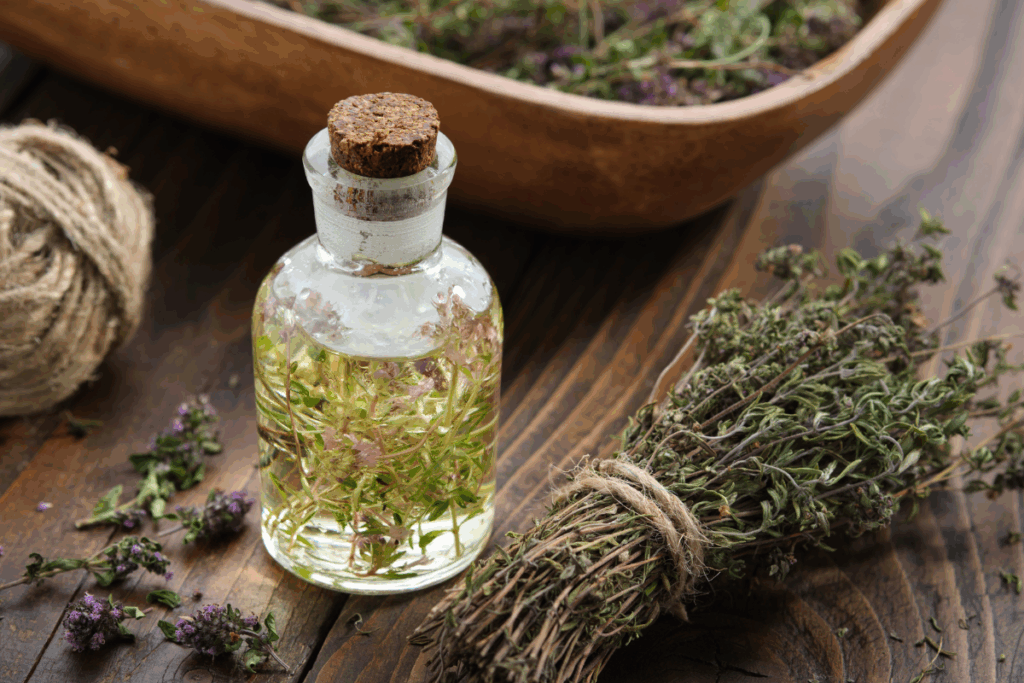
Sweet thyme oil, a gentler variety of the common thyme essential oil, is rich in linalool.
The most popular version of thyme oil contains the phenol compound thymol that gives it a strong antiseptic action.
The properties of sweet thyme oil are milder and is used especially in topical applications when diluted with a carrier oil. When diffused, it can aid the respiratory and digestive systems, as well as boosting the immune system.
15. Chamomile oil
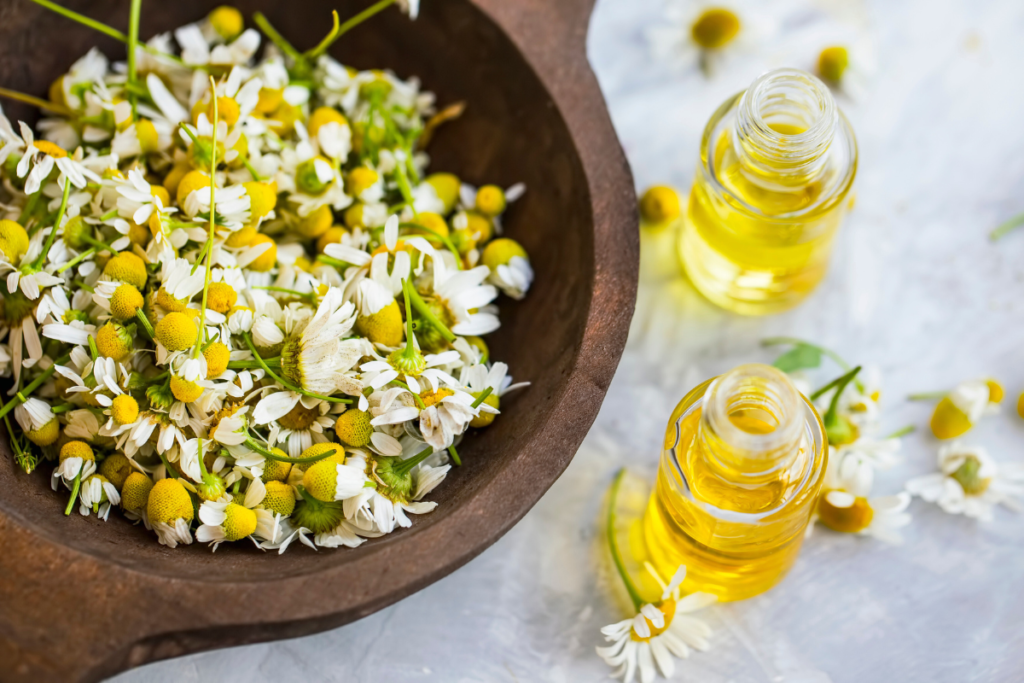
Extracted from the flowers of the chamomile plant, chamomile oil was believed to be a gift from the Egyptian Sun God. It was also used by the Romans in medicine and beverages.
Containing linalool within its chemical composition, chamomile essential oil can be diffused, applied topically or taken internally, only when assured it is a high quality, 100 percent pure grade product.
It’s one of the oldest, most widely used medicinal plants, said to reduce inflammation, relieve depression and anxiety, soothe muscle cramps and boost heart health.
16. Petitgrain oil
Extracted from the twigs and leaves of the bitter orange tree, petitgrain essential oil has a fair amount of linalool in its composition.
Traditionally used in South America and China to treat colds, indigestion and nausea, it has powerful anti-inflammatory, antiseptic, antispasmodic, sedative and antibacterial properties.
It can be taken internally to support the cardiovascular, nervous, digestive and immune systems.
17. Bay leaf oil
Bay leaf essential oil has been used for centuries for its medicinal properties and as food flavoring.
While it contains a majority of eucalyptol, it also has linalool within its chemical composition.
With antimicrobial and antioxidant properties, it helps prevent candida, fight infections, heal wounds, support metabolic health and digestion.
18. Lemon oil
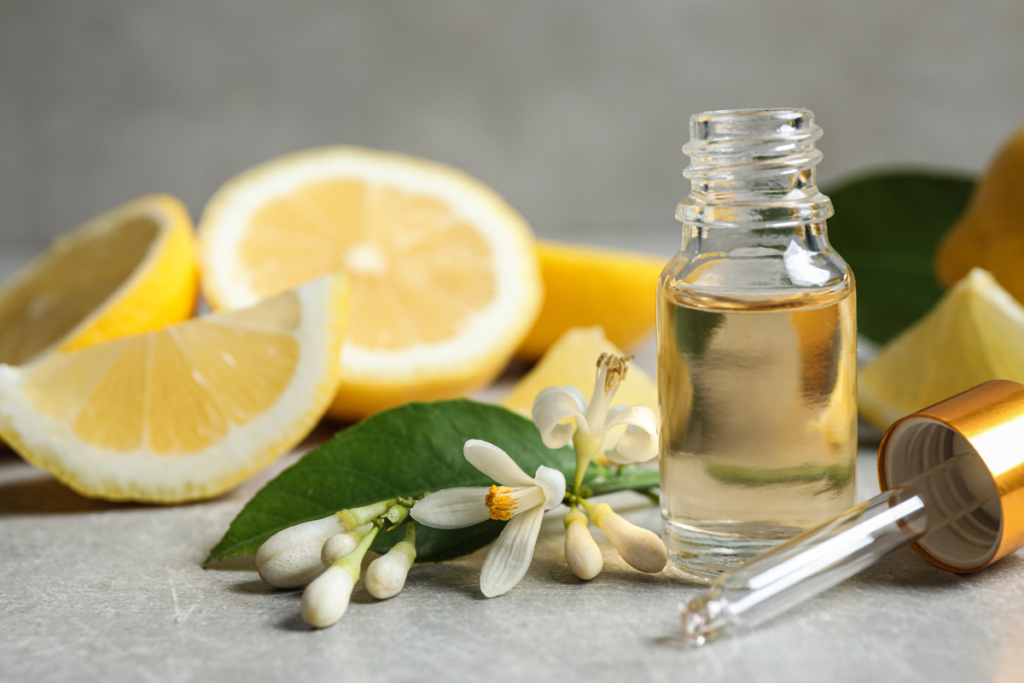
With high predominance of limonene and pinene, lemon peel oil also contains some amount of linalool, which has an effect on its aroma.
Named ‘Liquid Sunshine’, it is one of the most powerful antimicrobial essential oils, widely used in Ayurvedic medicine to treat a variety of conditions.
It should never be ingested, but it has strong therapeutic properties when applied topically (diluted with carrier oil) or diffused.
Some of these properties include the promotion of healthy skin, reduce nausea and morning sickness in pregnant women, improve mental alertness, relieve coughs, and more. When used topically, sun exposure should be avoided as it exhibits photo-toxic activity.
19. Sweet orange oil
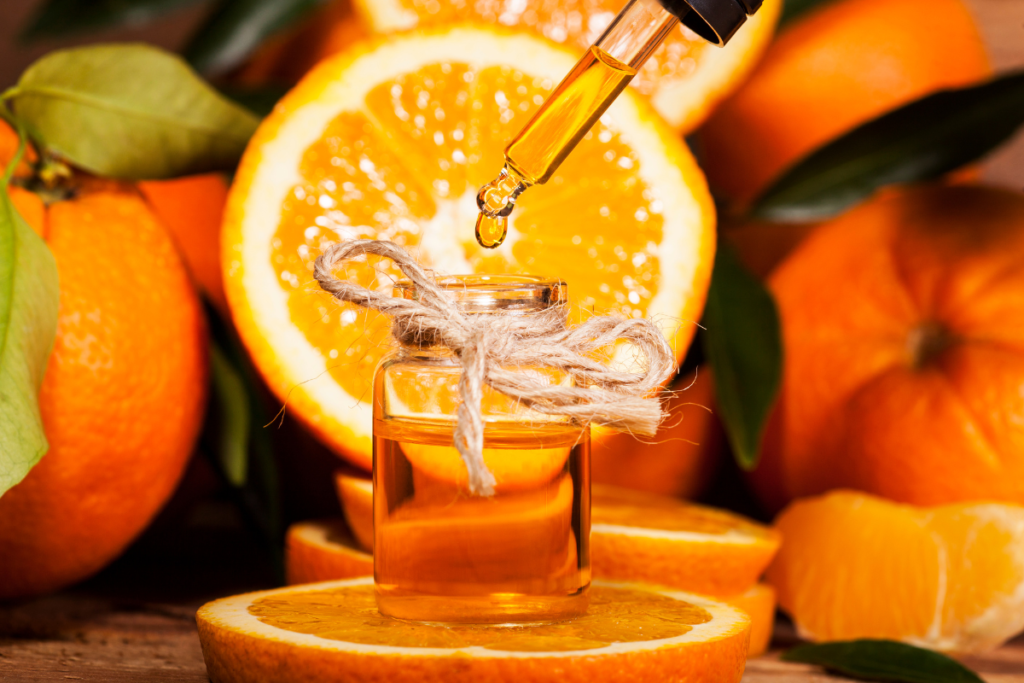
While limonene is the main constituent in sweet orange oil (even more predominant than in lemon oil) it also contains linalool in its composition as well.
Sweet orange is not to be confused with Bitter Orange, which comes from a different plant species.
Ingesting sweet orange oil is only advised with high quality, pure therapeutic grade products.
When used topically, sun exposure should be avoided as it exhibits photo-toxic activity. It is said to reduce inflammation, promote relaxation, and enhance circulation.
Frequently Asked Questions
Does linalool make you sleepy?
Lavender, Roman chamomile, ylang ylang and bergamot essential oils are widely used in the treatment of anxiety and insomnia due to their known calming effects. The common denominator between these oils is the linalool content, which even when isolated is recognised to have sedative, anxiolytic and analgesic biological properties.
Depending on the dosage, inhaling linalool can help promote sleep. It has proven to decrease the renal sympathetic nerve activity and increase the parasympathetic one instead, which is in charge of restoring the body to a state of calm. It also stimulates the production of adenosine, a sedating hormone.
Is linalool an alcohol?
From a molecular perspective, linalool is a monoterpene alcohol. Other examples of this type of component naturally occurring in essential oils are citronellol and terpineol.
Plants synthesize terpenes, a type of aromatic molecule, which are the main compounds found in essential oils. Monoterpenes, the smallest and most volatile structure, are present in virtually all essential oils. There are thousands of different varieties, each with a unique biological activity. Essential oils are also characterized based on functional groups, such as ketones or alcohols.
How is linalool extracted?
Before the 1950s, linalool was mainly obtained from rosewood oil. Now, more than half of the production of linalool is done through synthesis. However, linalool is also obtained from natural sources, isolated from rosewood, coriander seeds, camphor tree and linaloe (a tree species native to Mexico) essential oils.
Linalool plays an important role in the preparation of vitamins E and A, and it is also a basic material for the industrial production of other terpenes such as geraniol and nerol.
It is highly regarded in perfumery for its unique fragrance, and widely used as natural flavoring for beverages and foods, in cosmetic, household and pet products, and even in pesticides.
Due to the high industrial demand, linalool is often produced synthetically. But linalool is naturally occurring in the essential oils of many herbs and spices.
Final words on linalool and essential oils
Linalool is a popular monoterpene alcohol present in the volatile oils of a diverse variety of species in the plant world.
Several studies have analyzed the biological activity of linalool when isolated from the other synergistic constituents in an essential oil, demonstrating its substantial influence over the properties for which the oil is generally known for.
That is the case of the oils commonly used to promote better sleep, for example, such as lavender and bergamot essential oils.
Not only does the unique fragrance of linalool highlight the top notes of perfumes and cleaning products, but it also improves the mental and physical health of people.