
Anxiety affects 40 million adults all across the United States. Home self-care remedies such as burning incense won’t treat your underlying issues, but there’s plenty of anecdotal proof showing that they can help tackle the symptoms of occasional anxiety and allow you to momentarily restore a state of calm. In fact, the use of incense and aromatherapy to relieve anxiety and stress is ancient and is supported by scientific evidence.
Studies have shown that incense, such as Sandalwood, can help reduce anxiety. Several compounds naturally found in incense, such as in frankincense, copal and agarwood, have shown an ability to improve emotional states in clinical tests. Neurobiologists are showing an increasing interest in the potential properties of incense smoke for treating anxiety.
In this guide, I explain how certain scents can help relieve stress and anxiety. I’ve also provided a list of the best incense to burn at home when you’re worrying excessively, or feeling anxious, fearful or restless (or even when you’re spiraling – IYKYK).
How incense can help with anxiety
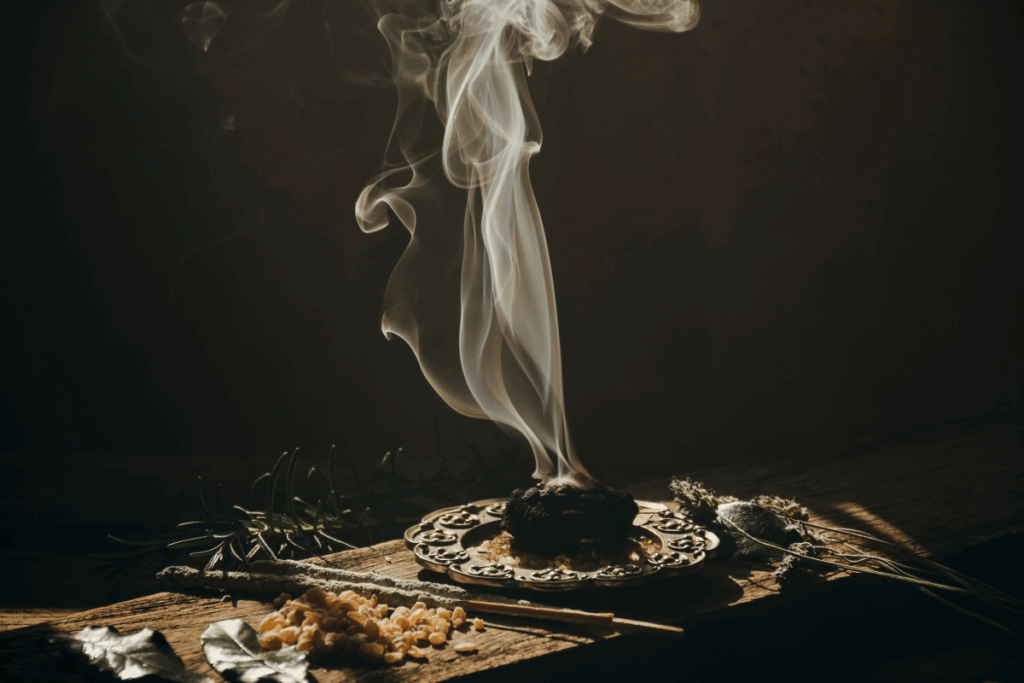
Anxiety is an internal alarm system that inevitably arises in the course of our daily life. It’s often triggered by reasonable real-life concerns such as money, health, work, family or relationship issues.
Other times, we can suffer from anxiety even though there aren’t any especially stressful events occurring in our lives.
Instead, it reflects an unproportional reaction to seemingly harmless situations that become magnified due to trauma or, in some cases, even medical causes (i.e. thyroid problems or irritable bowel syndrome).
Whatever the cause, a feeling of dread, fear or apprehension can appear in the form of nervousness, restlessness or tension, increased heart rate, hyperventilation, or sweating.
It may go away quickly or persist for a few hours, or even days, leading to a constant feeling of tiredness, insomnia, trouble concentrating, and even gastrointestinal problems.
Frequent anxiety episodes can result in depression, substance misuse (sleeping pills, for example), social isolation, and an overall diminished quality of life.
In fact, anxiety is the most common mental health disorders in the United States. In fact, anxiety encompasses a huge range of illnesses, including:
- General anxiety disorder
- Social anxiety disorder
- Panic disorder
Its clinical treatment generally relies on anti-anxiety drugs, which can have adverse effects in some people.
In the search for alternative treatments, some scientists have found that incensole acetate, a part of the resin of Indian frankincense (from the Boswellia botanical family), has positive effects on sensations and emotional states.
Other studies show that the major component in the incense smoke of agarwood, traditionally used as a sedative and anti-restlessness treatment, increases the levels of serotonin, relieving depression and anxiety.
Just as many religious leaders seem to have known the psychoactive effects of frankincense smoke for centuries, the Mayans traditionally used copal incense during their ceremonies. Studies show that the incense from Protium copal significantly reduces anxiety and repairs fear learned behavior.
Incense burning also releases the volatile organic compounds that constitute the aromatic composition of a plant’s resin or essential oil. Some of these compounds, such as linalool, carvacrol and citral, are known to have anxiolytic effects when inhaled.
Which incense sticks help with anxiety
Originating in Mesopotamia, in the territory that now constitutes India, China and Egypt, the burning of incense was the first form of perfume 4,000 years ago.
In fact, the word perfume comes from the Latin per fumus, which literally translates to “through smoke”. The burning of incense for the removal of negative energies (and unpleasant odors) is mentioned in the religious books of virtually every religion.
These aromatic biotic sticks, powder or rocks are usually made out of fragrant materials such as aromatic woods, herbs, resins and essential oils.
Upon burning, they release a fragrant smoke that is traditionally believed to cleanse the spirit and the mind. Science is slowly catching up as researchers gradually show that these products may be truly capable of influencing behaviors and nervous reactions.
For this reason, it is important to keep the room well ventilated when burning incense to dilute any indoor air pollutants that may also be present within the smoke.
Here is some information about the best incense to burn to fight anxiety.
Best Incense Sticks For Anxiety
Frankincense
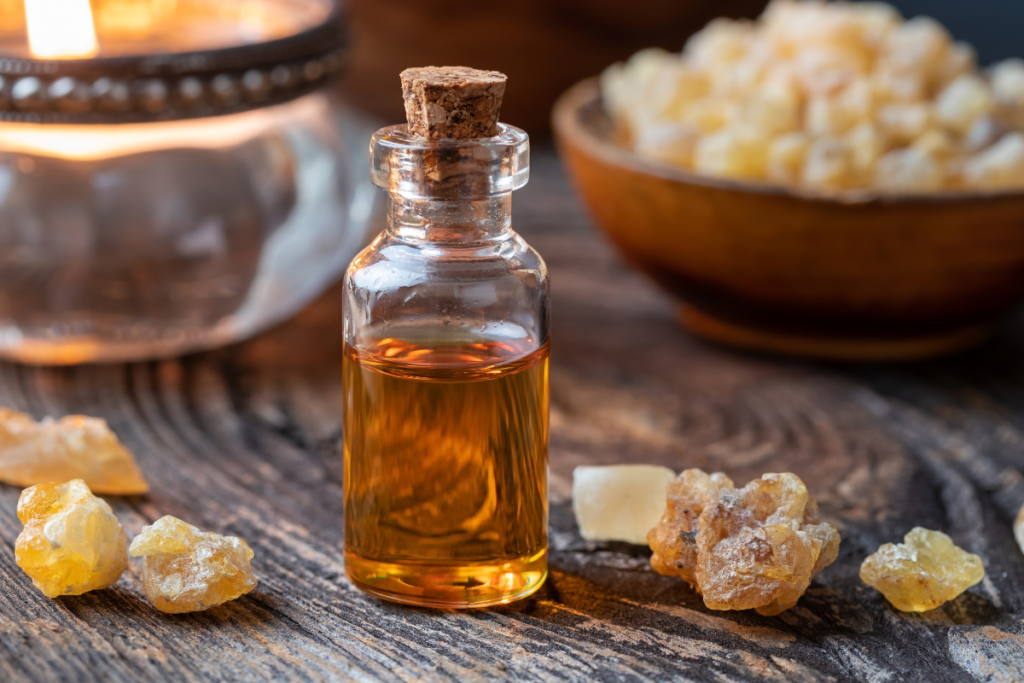
Burning frankincense sticks is an ancient practice. This aromatic resin obtained from the botanical variety Boswellia was so precious centuries ago that its name literally translates to ‘high-quality incense’, or ‘pure incense’.
It has a woody, earthy and spicy aroma, slightly fruity, that is said to be sedative and comforting when inhaled.
Studies suggest that this aromatic tree resin contains certain compounds that react with pathways in the brain and nervous circuits, showing potent antianxiety activity.
Agarwood
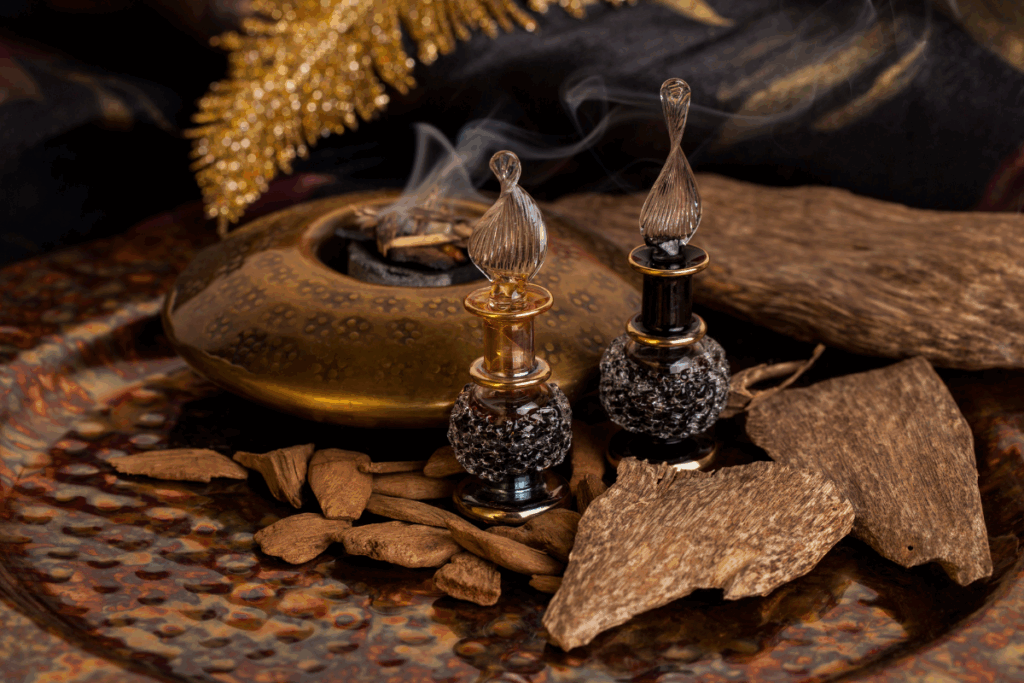
Agarwood incense obtained from the highly valuable resinous wood of the Aquilaria tree have historically played an important role in religious ceremonies and aromatherapy, as well as Chinese Traditional Medicine.
It has sedative, anti-anxious, anti-restless and anti-inflammatory effects linked to an increase of serotonin levels and neuroactive pathways shown in laboratory studies.
Copal
Called the ‘blood of trees’ by the Aztecs, in whose language copalli refers to scented smoke, copal incense was sacred to the Aztec and Maya civilizations.
It continues to be important in Mexican culture, abounding during the Day of the Dead holiday. Studies suggest that the incense smoke from Protium copal shows anxiolytic activity in fear and social interaction models.
Sandalwood
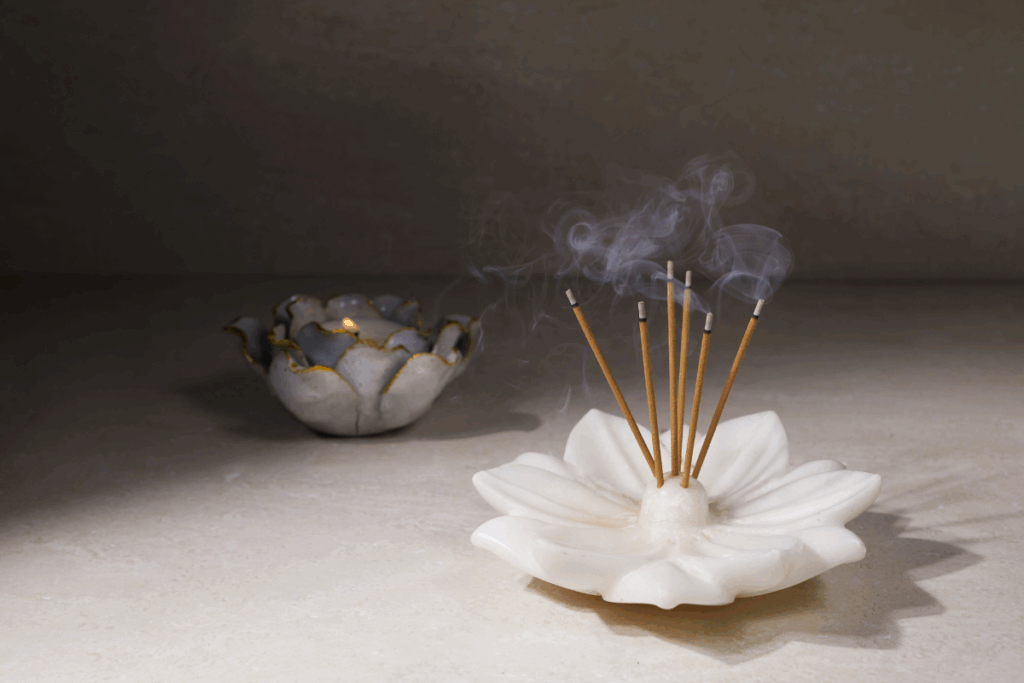
Sandalwood incense has been used for centuries for spiritual applications because its rich, woody and slightly sweet aroma is believed to be mentally grounding and balancing.
In Chinese medicine, sandalwood is used to treat a variety of ailments, including anxiety, and its reputation has reached the aromatherapy field, where it is popular in the treatment of anxiety, stress and depression. There is actually a lot of literature and studies that support sandalwood as an effective anxiolytic and antidepressant.
Patchouli
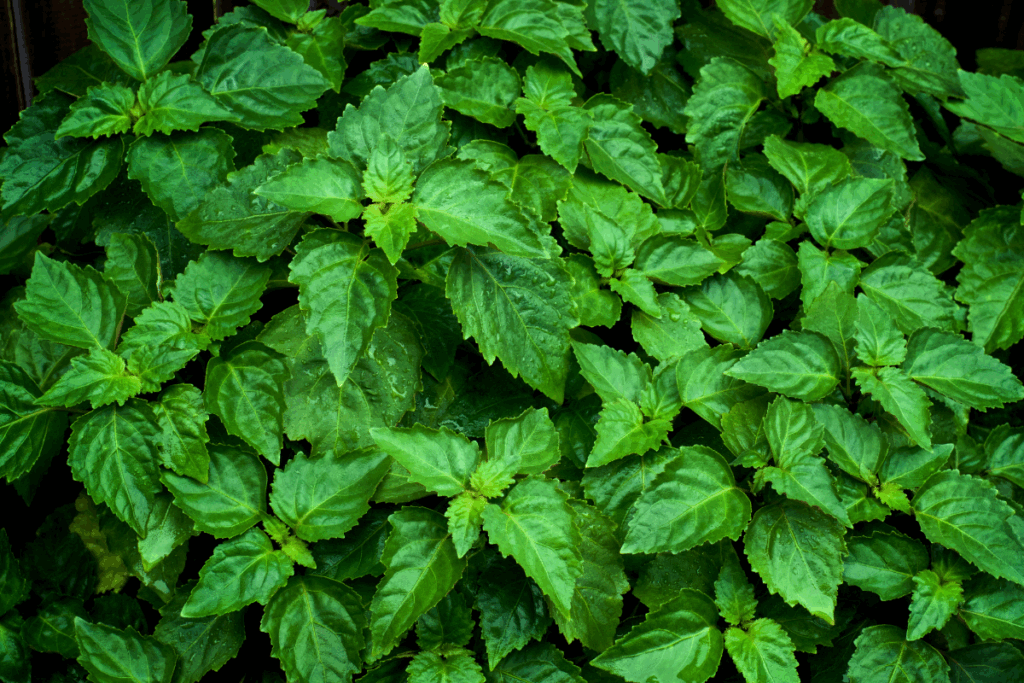
There was a time in which one pound of patchouli was worth one pound of gold. Today, the rich, earthy, spicy and musky aroma of patchouli incense sticks is believed to be grounding, soothing, relaxing, mood-harmonizing and calming.
Studies reveal that patchouli could enhance the production of dopamine, resulting in antidepressant and anxiolytic activity. Other studies show that the inhalation of patchouli can effectively reduce the levels of stress upon short-term exposure.
Bergamot
Bergamot incense is made with the oil from the botanical Citrus bergamia, used historically in Italian folk medicine and in Ayurvedic medicine to treat multiple health issues. This fresh, sweet and citrusy fragrance with a floral undertone is widely used in aromatherapy to treat psychological stress and anxiety.
Several studies have confirmed the anxiolytic and sedative effects of bergamot essential oil, supported by both the physiological and psychological effects caused by the inhalation of its volatile components.
Ylang-Ylang
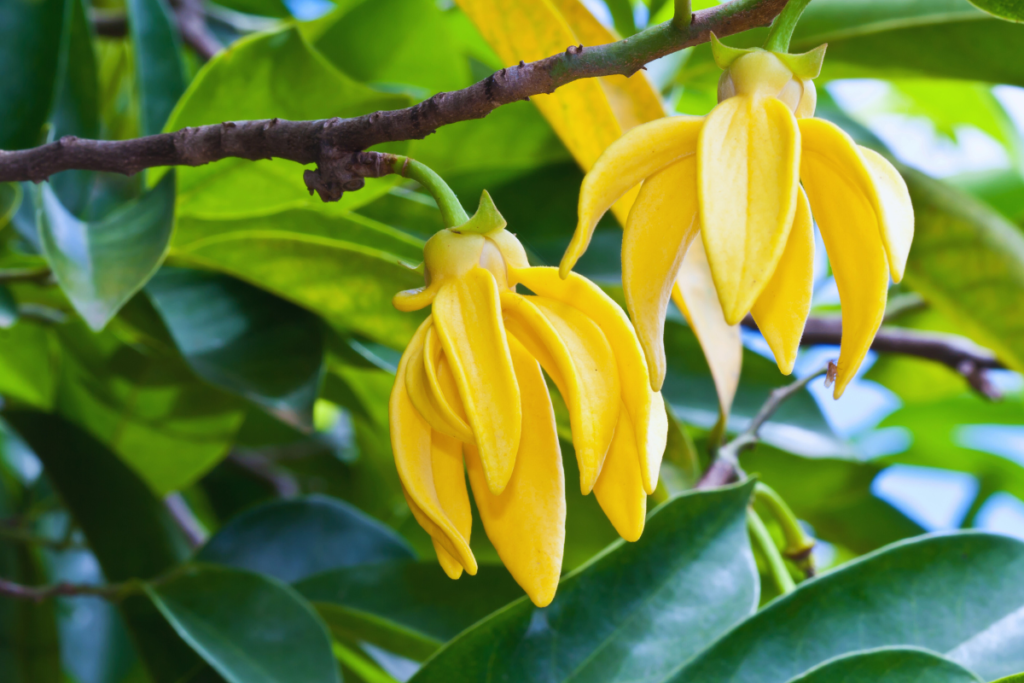
Ylang ylang incense sticks are made with the essential oil derived from the steam distilled flowers of the botanical Cananga odorata. This pleasant floral fragrance is popular in aromatherapy applications as it is believed to soothe stress, anxiety, sadness and tension, in addition to raising self-esteem upon short-term inhalation.
Various studies support the belief that ylang ylang is an antidepressant, anxiolytic, and anti-stress agent.
Lavender
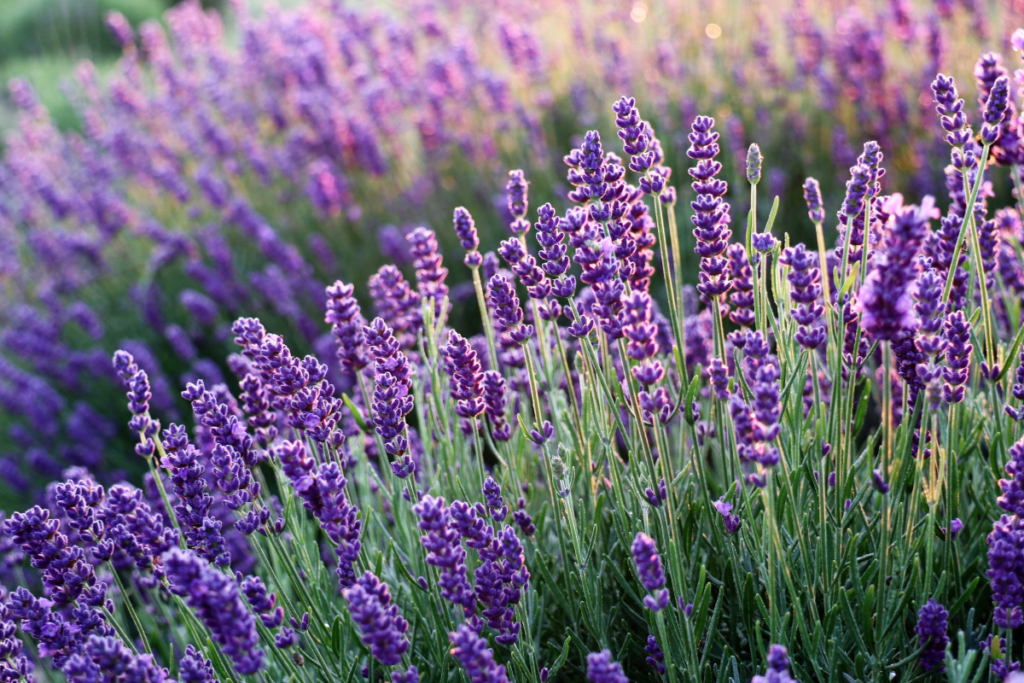
The unique aroma of lavender incense releases a variety of organic compounds known for their sedative and narcotic activity. Whatever its form, lavender has a centuries-long reputation for being a physically and emotionally balancing fragrance.
There is growing evidence suggesting that lavender oil may be an effective medication in treatment of several neurological disorders. Several studies have displayed its anxiolytic, mood stabilizer, anti-stress, sedative and analgesic properties.
Chamomile
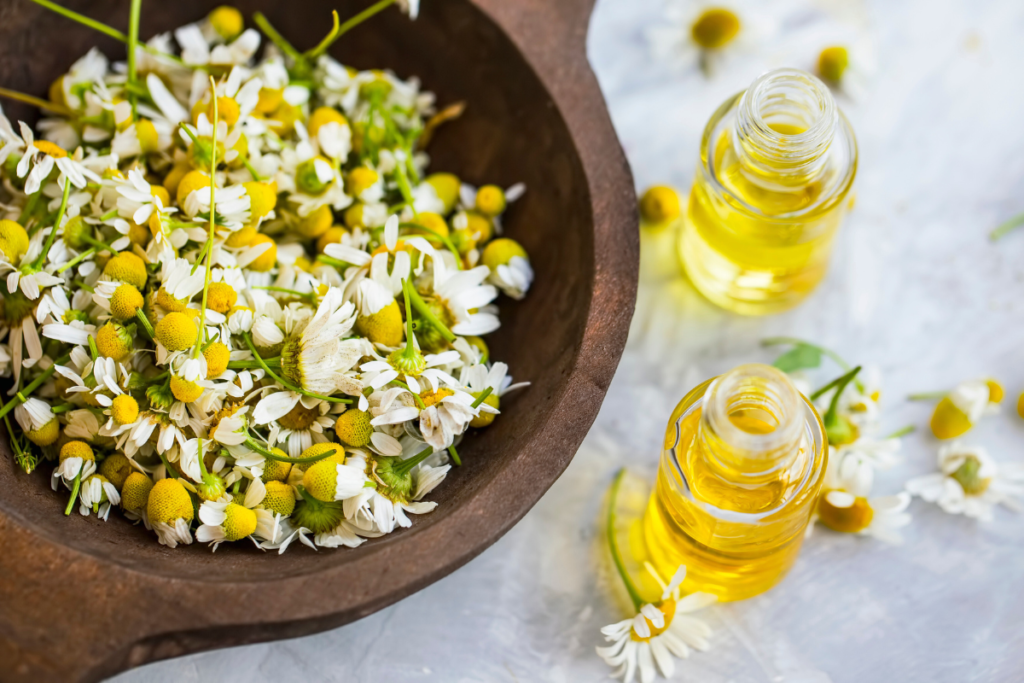
Chamomile incense sticks made with the oil distilled from the plant’s blossoms contain a variety of organic compounds with antianxiety and stress relieving properties that reduce depression and worry, and calm an overactive mind.
Studies show that long-term treatment with chamomile inhalation is safe and significantly reduces moderate to severe symptoms of generalized anxiety disorder, although it does not significantly reduce the rate of relapse. Chamomile is used in aromatherapy to relax the body and the mind, and promote sleep.
Vetiver
Vetiver incense made with the root of vetiver grass possesses significant anxiolytic activity by possibly interplaying with neurotransmitters implicated in anxiety. It has a unique sweet, woody-ambery scent that is so grounding and deeply calming that is frequently referred to as the Oil of Tranquility. Vetiver increases total sleep time and has a similar sedative/hypnotic effect to diazepam, a common anxiolytic and sedative drug with serious adverse effects.
For that reason, vetiver is a popular aromatherapy alternative for soothing anxiety, insomnia and depression.
Sweet basil
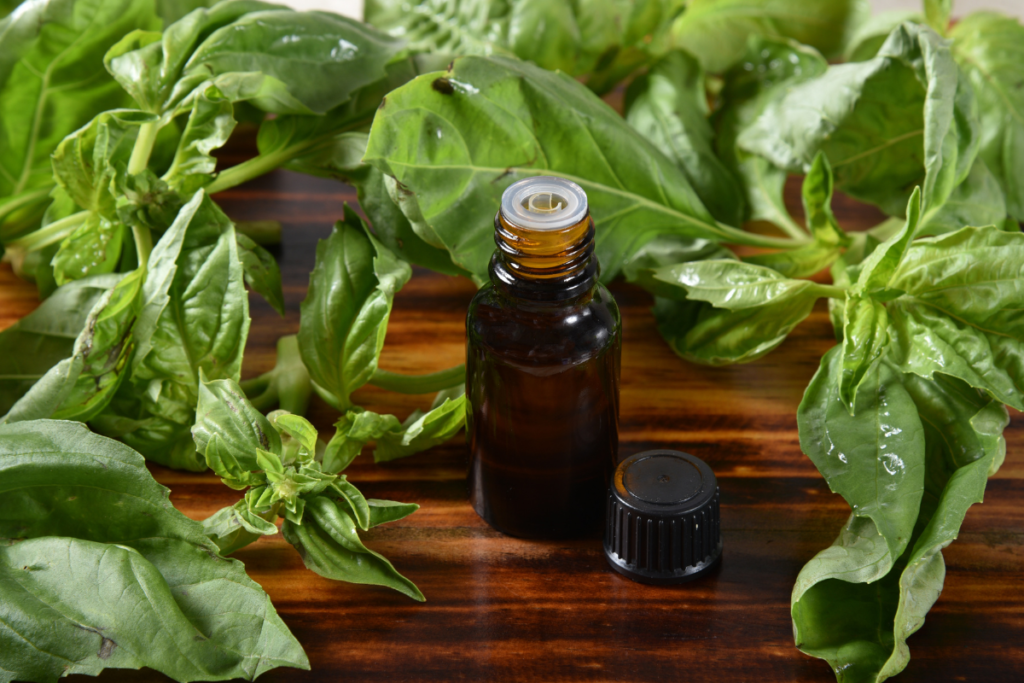
The basil incense sticks made from Ocimum basilicum botanical, also known as the ‘Royal Herb’, have a warm, sweet, floral and herbaceous fragrance.
Sweet basil is popular in aromatherapy for stimulating, calming, energizing and uplifting the mind. Laboratory studies support its reputation by showing the anti-anxiety and sedative effects of basil, justifying it with their high phenolic content.
Geranium
Burning geranium incense is a way of inhaling the sweet, uplifting floral fragrance of this essential oil believed to reduce physical and mental stress.
The inhalation of geranium has been tested in several trials to evaluate its anxiolytic effects on patients before medical interventions. For example, one study shows that it can effectively reduce anxiety during labor and can be recommended as a non-invasive anti-anxiety aid during childbirth.
It’s also recommended as an easy-to-use intervention to reduce anxiety among patients with acute myocardial infarction.
Neroli
Neroli incense is made with the oil distilled from the fragrant flowering blossoms of the Citrus aurantium botanical. Neroli is considered one of the most effective sedative and antidepressant remedies, and is recommended for the treatment of insomnia and states of anxiety and depression.
Its effects through inhalation have been tested in several trials to evaluate its anxiolytic effects on patients before medical interventions. For example, one study shows that neroli is a safe method to reduce anxiety among patients with acute myocardial infarction, and another study suggests it may be a safe and efficient intervention to reduce anxiety in patients with acute coronary syndrome.
Palo santo
Native to South America, the wood and the resin of the palo santo tree are burned as incense to release an aromatic smoke that is widely used to treat stress and clear negative energy.
The volatile organic compound limonene present in palo santo’s chemical constitution shows a significant anti-stress action measurable by behavioral and physiologic parameters under the influence of the nervous system.
Burning palo santo is grounding and calming, and may help with depression, anxiety and emotional trauma.
Cedarwood
Cedarwood incense obtained from the resinous wood of the Cedar tree species contains cedrol, a sesquiterpene with relaxing and sedative properties. The inhalation of its sweet, woody aroma is great for calming the mind and nervous systems, relieving anxiety, stress and tenseness.
Native Americans, Tibetans, and ancient Egyptians enjoyed the therapeutic properties of cedarwood and introduced it into religious ceremonies and spiritual practices because of its relaxing effects.
Is patchouli good for anxiety?
Patchouli oil is gaining popularity for its use in treating depression and stress by enhancing the production of dopamine. Its fragrance is believed to reduce anxiety and boost the mood thanks to the patchouli alcohol and other volatile compounds within its chemical constitution.
Studies show that patchouli can reduce depression and stress from a high to a medium level in healthy adults, and reduce sympathetic nerve activity by up to 40%. One randomized controlled trial also concluded that inhaling patchouli oil can effectively reduce the levels of stress and increase compassion satisfaction in emergency nurses.
Is lavender good for anxiety?
Lavender has anxiolytic properties similar to pregabalin, a medication prescribed for anxiety, thanks to its organic constituents, such as linalool and linalyl acetate. Several studies suggest exposure to lavender in any form is one of the best methods to relieve anxiety and stress.
Lavender may actually be a safe alternative to anti-anxiety medication, with beneficial anti-stress properties that reduce the cortisol hormone levels, a hormone associated with stress.