
When you’re shopping for candles, it’s easy to get caught up in scent or design, but the type of wax that your candle is made of matters more than what you might think. From how clean it burns to how long it lasts (and whether it drips all over your table), wax matters.
Most of the candles you’ll come across fall into one of three categories: paraffin, beeswax, or soy. Whether you’re choosing candles for relaxation, decoration, or just to make your space smell great, it helps to know how each wax type works and what it’s best suited for.
Overall, I recommend Beeswax candles for their burn-time, sustainability and dripless nature (although they are expensive), then soy wax candles (well-scented, sustainable and more affordable), with parrafin wax as my last choice (cheap, but petroleum-based). Here’s a full comparison of the three most common candle waxes (soy, beeswax, and paraffin) to help you choose the best one for you and how you want to use it.
Wax Origin, Scent, and Sustainability
Let’s talk about the three most common waxes, where they come from (origin), what they naturally smell like and how sustainable or environmentally-friendly they are:
Paraffin Wax
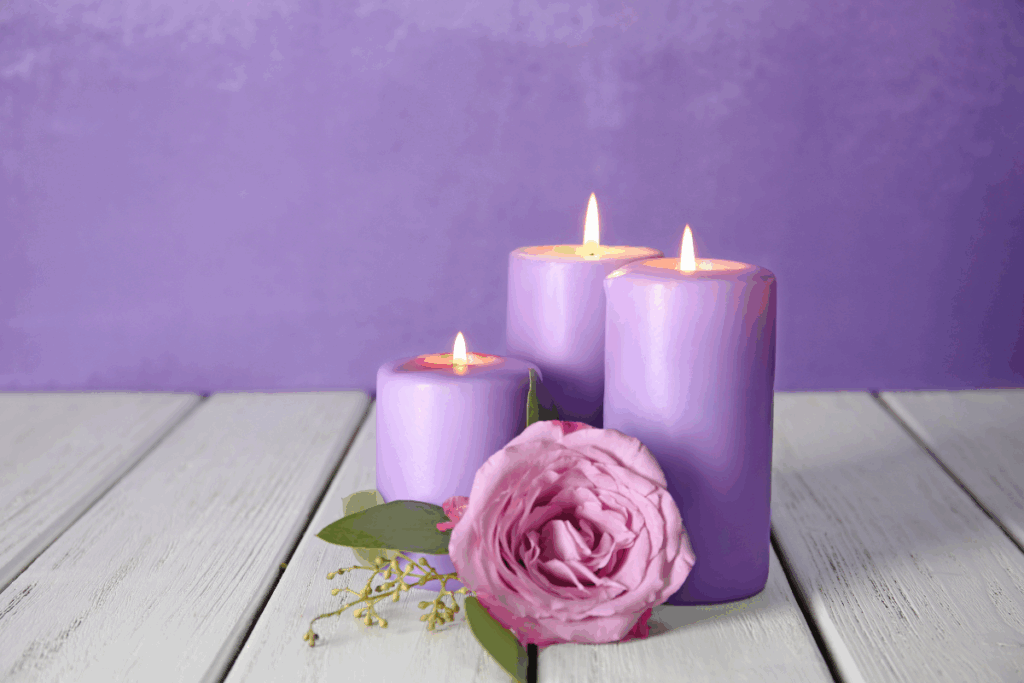
- Origin: A petroleum byproduct from refining crude oil.
- Scent: Excellent scent throw, usually artifically (synthetically) fragranced.
- Sustainability: Not eco-friendly at all. It’s non-renewable and contributes to carbon emissions.
Paraffin wax often gets a bad rap, but there’s a reason it’s still the most commonly used candle wax around the world. It’s affordable, easy to work with, and capable of holding vibrant colors and strong fragrances…but yes, it’s made from a byproduct of petroleum refining.
If you’ve ever bought a highly scented candle from a big-name store, chances are it was paraffin. These candles are great for filling large spaces with scent, and when treated properly (usually with stearic acid), they can be dripless and clean-burning. Paraffin isn’t a natural product like soy or beeswax, but it does offer great performance, especially if you’re after a strong scent, decorative colors, or a candle that’s easy to find and budget-friendly.
Beeswax
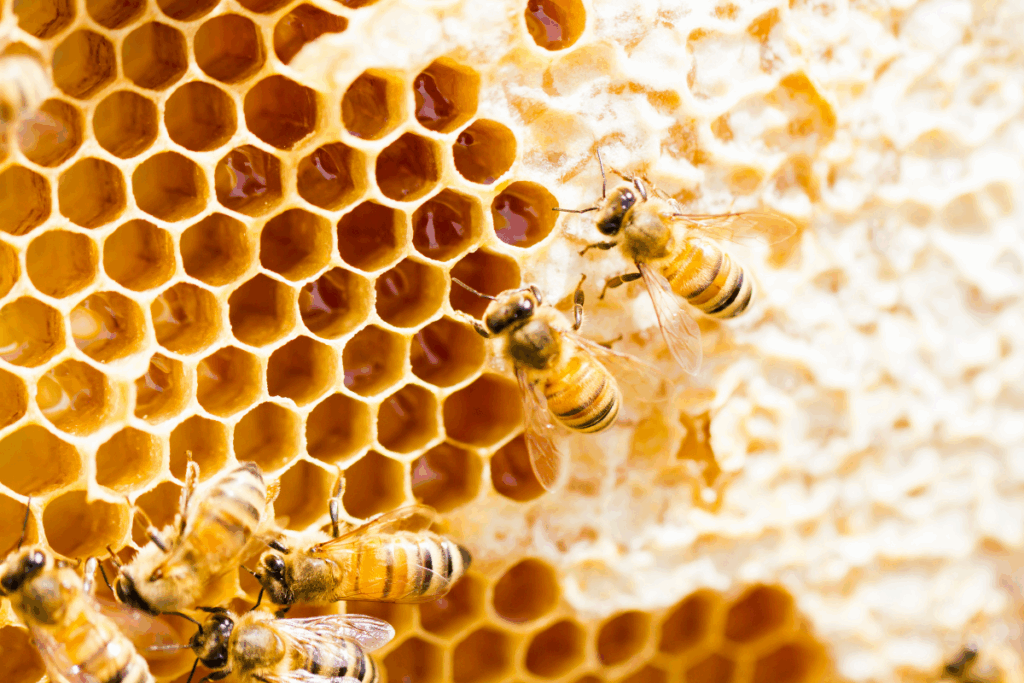
- Origin: Natural wax produced by honeybees.
- Scent: Light, honey-like aroma that’s naturally present, not added.
- Sustainability: Highly sustainable, biodegradable, and renewable. Also supports beekeeping businesses.
Beeswax is as close to a candle straight from nature as you can get. Made by honeybees to build their hives, this wax has been used in candles for thousands of years, and it’s still one of the best-performing waxes around. Beeswax has a beautiful warm glow when lit and a naturally sweet, honey-like aroma (without any added fragrance).
One of the most impressive things about beeswax is how cleanly and slowly it burns. It’s naturally dripless, doesn’t produce smoke when used properly, and even helps purify the air by releasing negative ions (yes, really!). If you’re sensitive to artificial scents or just want a candle that feels grounding and traditional, beeswax is hard to beat. Yes, it’s more expensive, but the quality, longevity, and natural benefits really do make it worth it.
Soy Wax
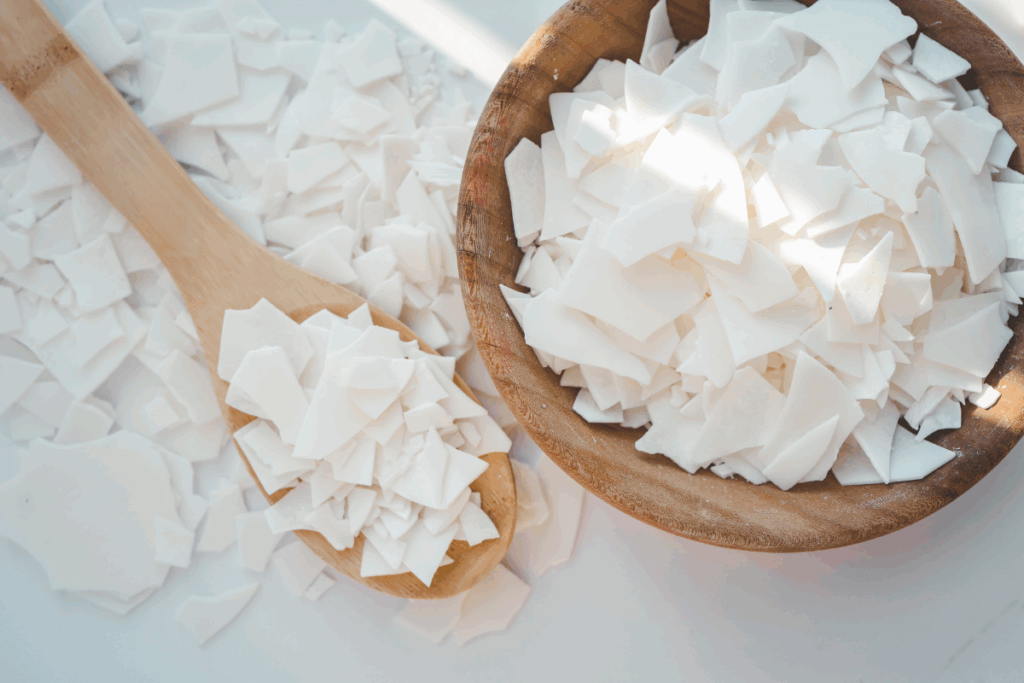
- Origin: Derived from hydrogenated soybean oil.
- Scent: Milder scent throw than paraffin, often used with essential oils.
- Sustainability: Renewable and biodegradable. Soy candles are often promoted as eco-friendly, but check for GMOs and pesticide-free sourcing.
Soy wax is a plant-based option made from hydrogenated soybean oil, and it’s one of the most popular choices for anyone looking for a more natural candle. It was first introduced in the 1990s as an alternative to paraffin, and since then, soy candles have become a go-to for those of us who care about clean ingredients and sustainability.
They burn slower and cooler than paraffin, which means your candle lasts longer, and they smell amazing with essential oils, especially if you’re after a gentler, more natural scent. While they don’t have quite the same scent throw as paraffin, they’re perfect for smaller rooms, bedtime rituals, and if you like a subtle fragrance. If you’re buying a gift or treating yourself to a cozy night in, soy wax is a lovely option.
Overall beeswax wins for sustainability and natural scent. But soy waxes are a great option for scented candles that are also fairly environmentally-friendly.
More Comparison
Burn Quality and Drip Potential
Let’s look at how long each wax burns for and whether they are dripless…or if they are going to make a mess all over the place.
Paraffin Wax
- Burns hot and fast. Basically it has a shorter burn time compared to the others.
- Can produce soot if the wick isn’t trimmed.
- When treated with stearic acid, it becomes dripless (learn more in my guide on the best dripless candles).
Beeswax
- Slowest burning of all three. These candles are extremely long-lasting.
- Naturally dripless and smoke-free when burned correctly.
- Clean-burning and ideal for allergy-sensitive users.
Soy Wax
- Burns cooler and slower than paraffin but faster than beeswax.
- Softer wax, so not always dripless unless blended or container-bound.
- Clean-burning with minimal soot, especially in containers.
Beeswax wins again! These candles are slow-burning, clean-burning and dripless. The benefits are stacking up in beeswax candles favor.
Best Use Cases
Let’s take a look now at which candles are best for different scenarios. Obviously you’re going to want a different candle for a fancy dinner party compared to a relaxed meditation session.
| Use Case | Paraffin | Beeswax | Soy |
|---|---|---|---|
| Meditation | Great scent throw | Calm, natural ambiance | Popular for essential oil blends |
| Dinner Tables | Dripless tapers, good scent | Dripless + no added scent | Great in containers |
| Outdoors | Less ideal (melts fast) | Stable flame, burns well | Can struggle in heat |
| Decorative | Easily dyed and molded | Golden color, rustic finish | Creamy finish, holds color well |
Price and Availability
Okay, so while burn-time, scent, sustainability and prettiness matter… let’s be honest, so does cost. It’s all well and good to want beeswax candles all over our homes, but can we afford them?
Paraffin:
- Most affordable of the three.
- Widely available in all candle styles (votives, pillars, tapers, containers).
- Ideal for budget or bulk purchases.
Beeswax:
- Most expensive, especially for hand-dipped or rolled varieties.
- Less common in commercial stores, but readily available from artisan makers and online.
- Long burn time offsets some of the cost.
Soy:
- Moderate cost, between paraffin and beeswax.
- Widely available and popular in container candles and aromatherapy lines.
- Look for non-GMO and sustainably sourced soy options.
I’m not sure why petroleum-based products like paraffin candles are the cheapest…but they always seem to be. It’s no surprise the beeswax are the most expensive, after all only young female worker bees can make beeswax and just for a few days of their lives.
Final Verdict: Which Candle Wax Is Best?
Which candle wax you end up buying depends on what you value most (and can afford):
- For clean air and a long, dripless burn: Go with beeswax. It’s natural, elegant, and long-lasting — ideal for meditation, allergy-prone households, and anyone looking for a more traditional candle experience.
- For everyday use and budget buys: Paraffin is hard to beat in price and performance, especially if you want strong fragrance and consistent shapes. Just be mindful of indoor air quality and choose well-made, stearic-treated versions.
- For eco-conscious relaxation and essential oil blends: Soy candles offer a sustainable and clean-burning option with a creamy finish. They’re great in containers and popular for gift sets or aromatherapy.
Soy candles are my recommendation as a middle ground. If you find beeswax candles too expensive, then the soy ones are a more environmentally-friendly option than paraffin, and often have a nice scent.
Looking for candles that won’t make a mess? Check out our guide to the best dripless candles to learn more.